If you are looking for a unique and budget-friendly destination in Europe, you might want to consider exploring Bulgaria and North Macedonia. These two countries are part of the Balkan region, which is rich in history, culture and natural beauty.
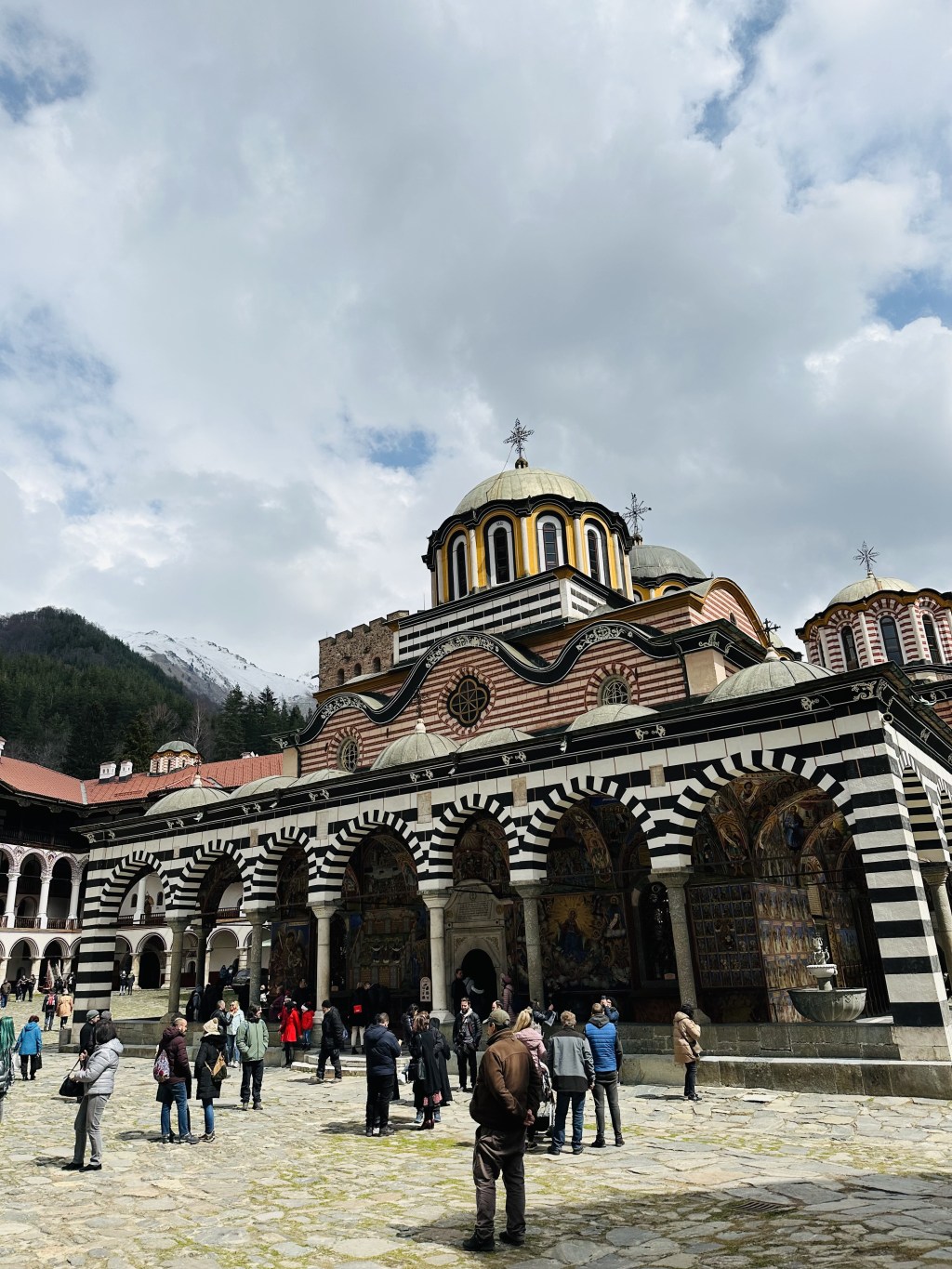
Bulgaria is a small country that borders Romania, Serbia, North Macedonia, Greece and Turkey. It has a diverse landscape that includes mountains, plains, rivers and a long coastline along the Black Sea. Bulgaria is also home to many UNESCO world heritage sites, such as the the Rila Monastery. You can also visit the stunning Belogradchik Rocks and Fortress, the impressive Roman Amphitheatre in Plovdiv, and the charming Summer Palace of Queen Marie and Botanical Gardens in Balchik. Bulgaria has a rich cultural heritage that dates back to the Thracian, Roman, Byzantine and Ottoman periods, as well as the communist era. You can learn more about the country’s history and art at the Archaeological Museum in Sofia, or at the Ethnographic Museum in Plovdiv4. You can also enjoy the local cuisine, which is influenced by Mediterranean, Turkish and Slavic flavors.
North Macedonia is another small country that shares a border with Bulgaria. It is known for its scenic valleys, mountains and lakes, as well as its ancient and medieval monuments. The country’s most famous attraction is Lake Ohrid, which is one of the oldest and deepest lakes in Europe. It is also a UNESCO world heritage site, along with the historic town of Ohrid and its churches, monasteries and fortresses. You can also visit the capital city of Skopje, which has a mix of modern and traditional architecture, including the Old Bazaar, the Stone Bridge and the Millennium Cross. North Macedonia has a diverse cultural identity that reflects its Balkan, Slavic, Albanian and Turkish influences. You can experience the country’s music, dance and folklore at various festivals and events throughout the year.
We planned an Easter break trip to these two countries because we wanted to discover something different from the usual European destinations. We were amazed by the variety of sights, sounds and tastes that we encountered along the way. We also found that traveling in this region was very affordable compared to other parts of Europe. We highly recommend visiting Bulgaria and North Macedonia if you are looking for an adventure that will surprise you and delight you.
Day 1: Munich to Sofia
We started our journey from Munich Hauptbahnhof to Memmingen Airport (Munich-West) by the Allgau Airport bus and then took a WIZZ air flight to Sofia, the capital of Bulgaria. It was a 2 hour flight, but we gained an hour as Sofia is one hour ahead of Germany.
As we have the temporary residence permit from Germany, we went through the immigration smoothly and headed to the public transport. We took a bus and then a tram outside the Sofia International Airport, Terminal 2, to reach our hostel in the city centre. You can pay by contactless card directly inside the bus. It costs 1.6 BGN for a single journey. We booked a room in Guest House 32, which was conveniently located near the main attractions and had a cozy atmosphere.
After checking in and freshening up, we decided to go for dinner at a traditional restaurant called The Hadjidragana Tavern. It was a nice late evening walk from our hostel and we were greeted by a friendly staff and a lively folk music. We ordered a variety of dishes to share, such as shopska salad, banitsa, kavarma and sarmi. We also tried rakia, a local drink made from grapes and aged for 7 years. It was strong but smooth and went well with the food.
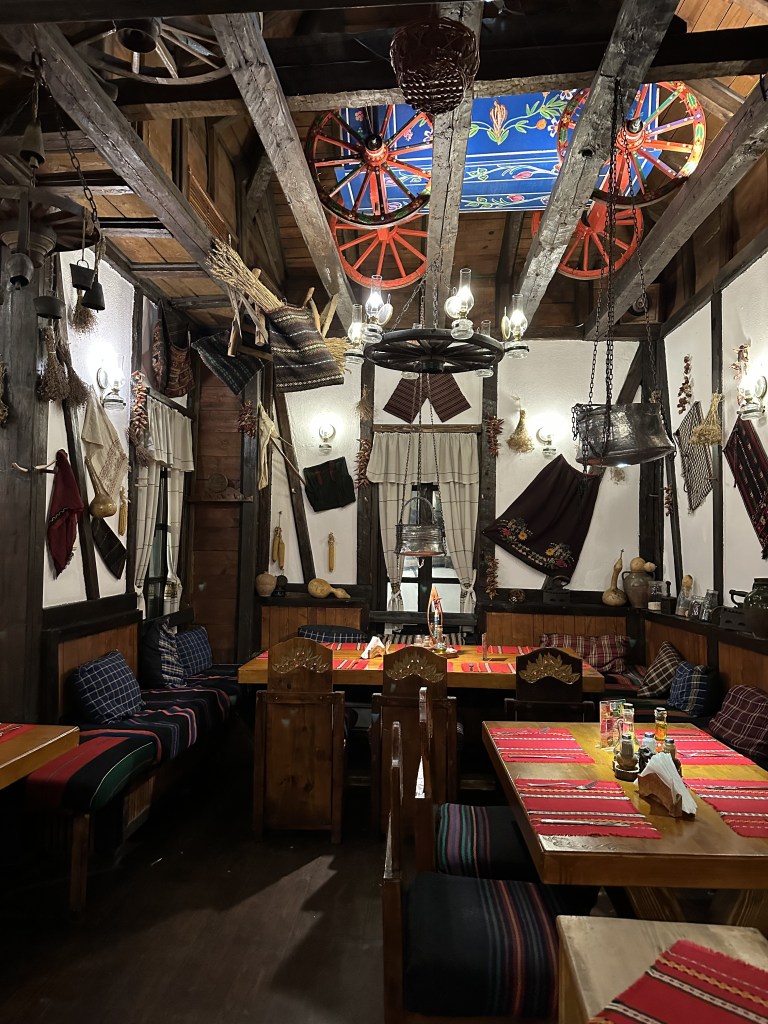
https://www.izbite.com
Day 2: Sofia
We woke up early and had a nice coffee and a croissant at Social Cafe Bar and Kitchen, which was just around the corner from our hostel. It had an amazing ambience and great coffee. Then we started exploring the city on foot, stopping by some souvenir shops to get some magnets. We noticed that some of them had different symbols on them and we asked the lady what they meant. She explained that they were traditional Bulgarian symbols that had special meanings like protection, fertility and prosperity. She also told us that rose and rose products were very popular in Bulgaria as it was one of the biggest producers of rose oil in the world. We ended up buying some rose soap, roses and rose water.
Here are some of the famous places we visited in Sofia:
- Lion’s Bridge: This is a beautiful stone bridge with four bronze lions on each corner. It was built in 1891 and it is one of the landmarks of Sofia. It crosses the Vladayska River and connects the central part of the city with the railway station.
- Sofia Monument: This is a bronze statue of Sofia, the patron saint of the city, holding an owl, a laurel wreath and a crown. It was erected in 2001 in front of the former Party House, which is now the National Assembly building. It symbolizes wisdom, fame and glory.
- Serdica Ancient Complex: This is an archaeological site that reveals the remains of Serdica, the ancient Roman city that preceded Sofia. It covers an area of 9,000 square meters and includes streets, buildings, baths, churches and fortifications from different periods. You can see it for free as it is open to the public.
- City Garden: This is the oldest and most central park in Sofia. It was created in 1872 and it has a fountain, a bandstand, a playground and many benches and flowers. It is also a popular place for chess players, street performers and locals who want to relax.
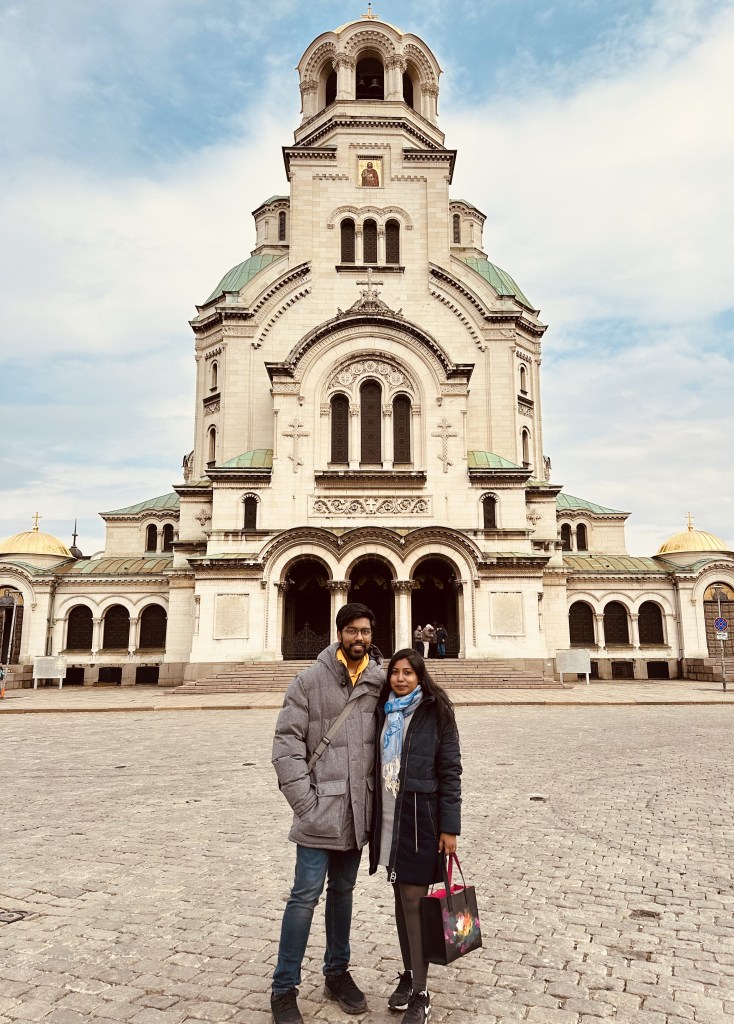
- St. Alexander Nevsky Cathedral: This is one of the symbols not just of Sofia but of Bulgaria itself. It is a massive and awe-inspiring church that was built between 1882 and 1912 in memory of the 200,000 Russian soldiers who died fighting for Bulgaria’s independence from the Ottoman Empire. It has a neo-Byzantine style with golden domes, mosaics and frescoes.
Day 3: Guided day trip to Boyana Church and Rila Monastery
On our third day, we joined a guided day trip to Boyana Church and Rila Monastery, two UNESCO World Heritage Sites that are not to be missed when visiting Bulgaria. We booked our tour online with Traventuria, one of the pioneer tour operators in Bulgaria with high expertise and great reviews. The tour can be booked on their website, getyourguide or it can arranged by the hotel directly and cost around 35 EUR per person.
We met our guide at Alexander Nevski Cathedral at 9 am and boarded a comfortable minibus. There were about 15 people in our group from different countries and backgrounds.
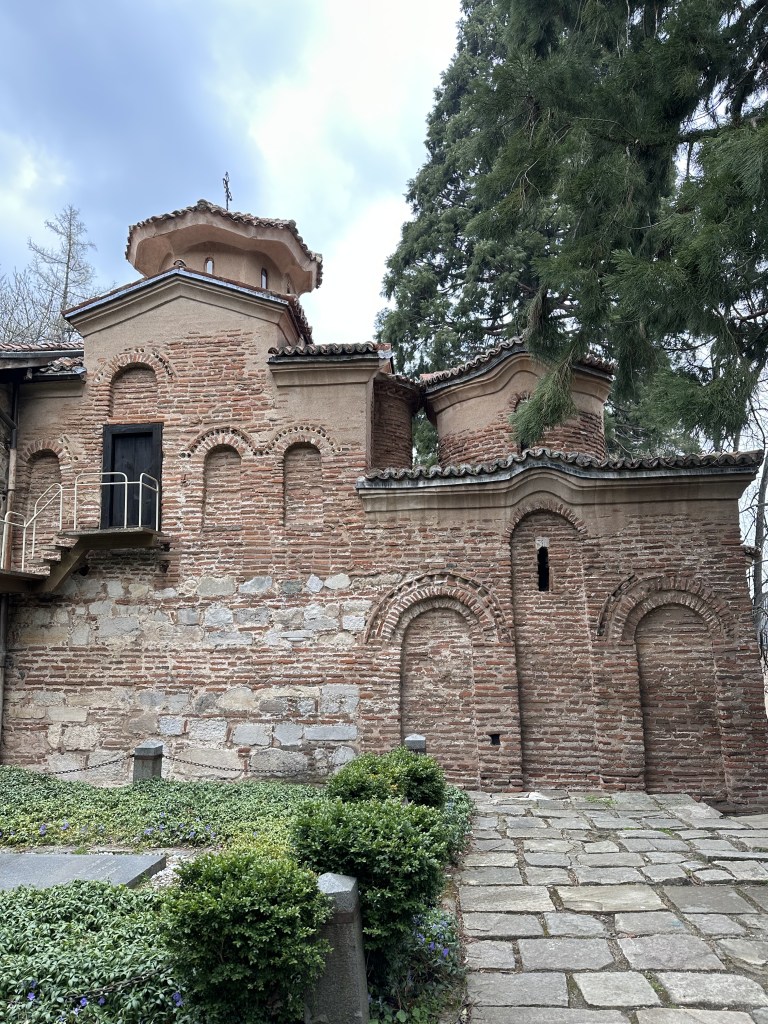
Our first stop was Boyana Church, which is located at the foot of Vitosha Mountain, about 10 km from the city centre. It is a small medieval church that dates back to the 10th century, but it is most famous for its 13th century frescoes that are considered masterpieces of Bulgarian and European art. The frescoes depict scenes from the Bible and the lives of saints, as well as portraits of the donors and rulers of the time. They are remarkable for their realism, expression and individuality. We spent about an hour at the church, admiring the paintings and listening to our guide’s explanations.
Then we continued our drive to Rila Monastery, which is about 120 km from Sofia. It is the largest and most important monastery in Bulgaria, and it is situated in a stunning valley surrounded by the Rila Mountains. It was founded in the 10th century by St. John of Rila, the patron saint of Bulgaria, and it has been a centre of spiritual and cultural influence for centuries. The monastery complex consists of a main church, a museum, a tower, a library and several chapels and residential buildings. The architecture and decoration reflect different styles and periods, from Byzantine to Baroque.
We had about two hours to explore the monastery and its surroundings. We visited the main church, which has a beautiful iconostasis and amazing frescoes by Zahari Zograf, one of the most famous Bulgarian painters. We also saw the tower of Hrelyu, which is the oldest building in the complex and has a small chapel on top. We then went to the museum, which has a rich collection of historical and religious artefacts, including manuscripts, icons, weapons and jewellery. The most precious exhibit is the wooden cross carved by Father Rafail, who spent 12 years working on it and lost his eyesight as a result. The cross has 36 scenes from the Bible and over 600 figures.
After visiting the monastery, we had some free time to enjoy the nature or have lunch at one of the nearby restaurants. We decided to try some local specialties, such as beans soup, grilled trout and banitsa with cheese. They were delicious and filling.
We left Rila Monastery around 3 pm and headed back to Sofia. We arrived at Alexander Nevski Cathedral around 5 pm and said goodbye to our guide and fellow travellers. It was a wonderful day trip that gave us a deeper insight into Bulgaria’s history, culture, and religion. Later we had dinner at a famous traditional place, Under the Linden trees. What a experience it was!
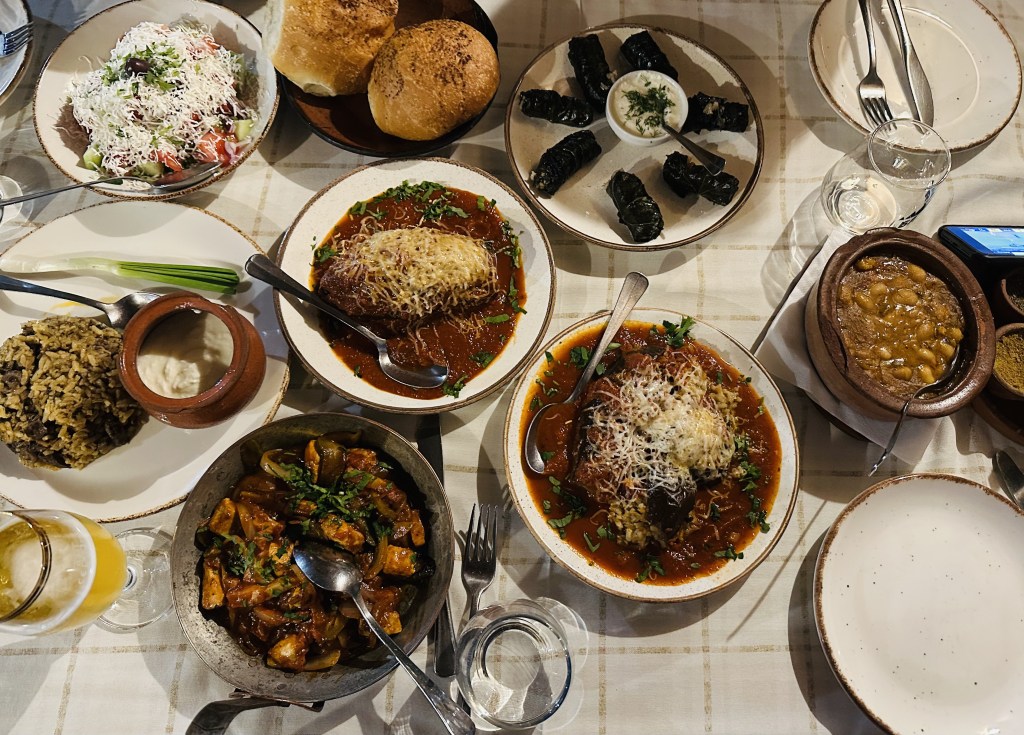
http://www.podlipitebg.com
Day 4: Plovdiv
On our fourth day, we decided to visit Plovdiv, the second largest city in Bulgaria and one of the oldest cities in Europe. We took a bus from Sofia Central Bus Station at 8:10 am and paid 14 euro per person for a round trip ticket. The journey took about 2.5 hours and we enjoyed the scenic views of the countryside along the way.
We arrived in Plovdiv around 10:40 am and walked to the main pedestrian street, where we joined a free guided tour organized by Free Plovdiv Tour. It was a great way to learn more about the history and culture of this ancient city, which was founded by the Thracians and later conquered by the Romans, Byzantines, Ottomans and Bulgarians. The tour lasted for about two hours and covered some of the most interesting sights and monuments of Plovdiv, such as:
- The Roman Stadium: This is a partially preserved stadium that dates back to the 2nd century AD. It could seat up to 30,000 spectators and hosted athletic games and gladiator fights. It is located under the main street and you can see some of its remains through a glass window.
- The Roman Theatre: This is one of the best preserved ancient theatres in the world. It was built in the 1st century AD and could accommodate up to 7,000 people. It is still used today for cultural events and concerts. It has a spectacular view of the city and the Rhodope Mountains.
- The Old Town: This is a charming area that preserves the architectural and artistic heritage of Plovdiv from different periods. It has narrow cobblestone streets, colorful houses, churches, museums and galleries. Some of the highlights are the Ethnographic Museum, the Balabanov House, the Church of St. Constantine and Helena and the Nebet Tepe hill.
- The Kapana District: This is a vibrant and creative neighborhood that is full of cafes, bars, restaurants, shops and art studios. It is a place where you can enjoy the local cuisine, nightlife and street art. It is also known as the Trap because of its labyrinthine layout.
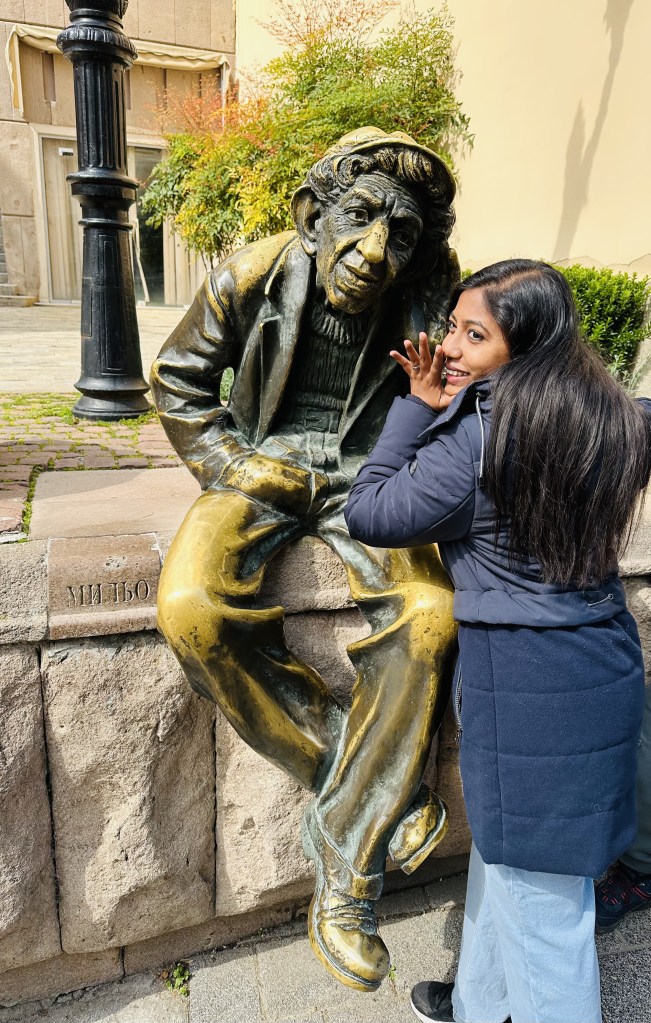
After the tour, we had lunch at Rahat Tepe, a cozy restaurant with a panoramic terrace overlooking the Old Town. We ordered their house speciality which was smoked pork ribs and local beer.
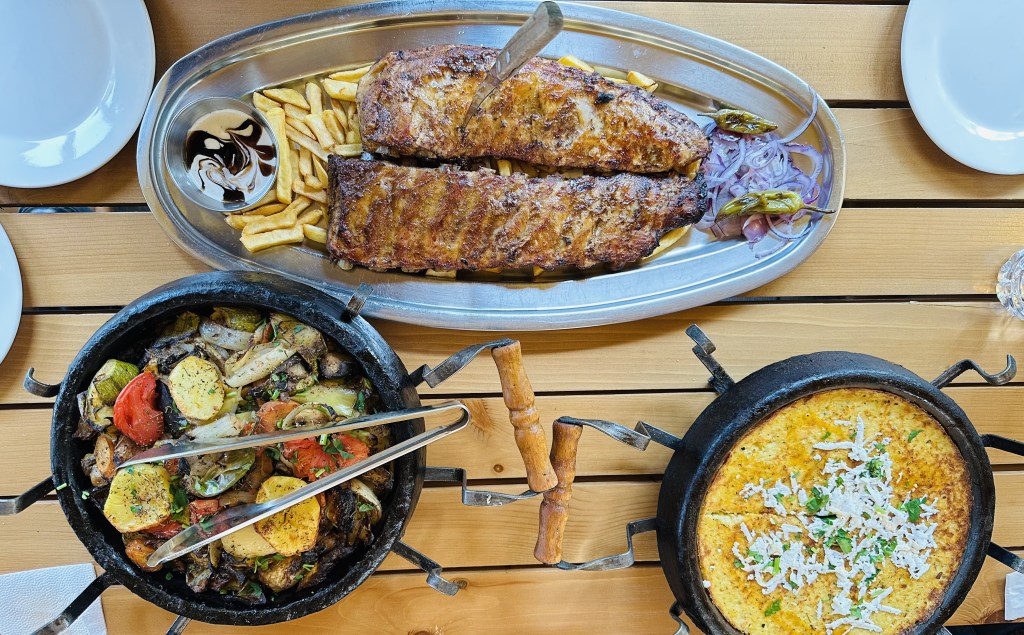
http://www.rahattepe.com/
We spent the rest of the afternoon exploring Plovdiv on our own, visiting shops that caught our attention. We also suggest relaxing at one of the many parks and gardens that make Plovdiv so green and pleasant.
We took the bus back to Sofia at 5 pm and arrived around 7:30 pm. It was a wonderful day trip that gave us a glimpse of another facet of Bulgaria’s beauty and diversity.
Day 5: Skopje
On our fifth day, we crossed the border and visited Skopje, the capital of North Macedonia and one of the most diverse and dynamic cities in the Balkans. We took a bus from Sofia Central Bus Station at 7 am and paid 25 euro per person for a single way ticket. The journey took about 4.5 hours and we had to change our clocks as Skopje is one hour behind Sofia.
We arrived in Skopje around 10:30 am and checked in our hotel in the city centre. We left our luggage and went for lunch at a boat restaurant on the Vardar River. The food was okay but not very local. We decided to try some traditional dishes later.
After lunch, we decided to explore the city on foot. It was a great way to learn more about the history and culture of this ancient city, which was founded by the Dardanians and later ruled by the Romans, Byzantines, Ottomans, Serbs and Yugoslavs. We covered some of the most interesting sights and monuments of Skopje, such as:
- Macedonia Square: This is the main square of Skopje and the heart of its controversial project “Skopje 2014”, which aimed to give the city a more classical and monumental appearance. It has dozens of statues, fountains, bridges and buildings that evoke different periods and personalities of Macedonian history. The most prominent one is the statue of Alexander the Great on a horse, which is 22 meters high and surrounded by water jets.
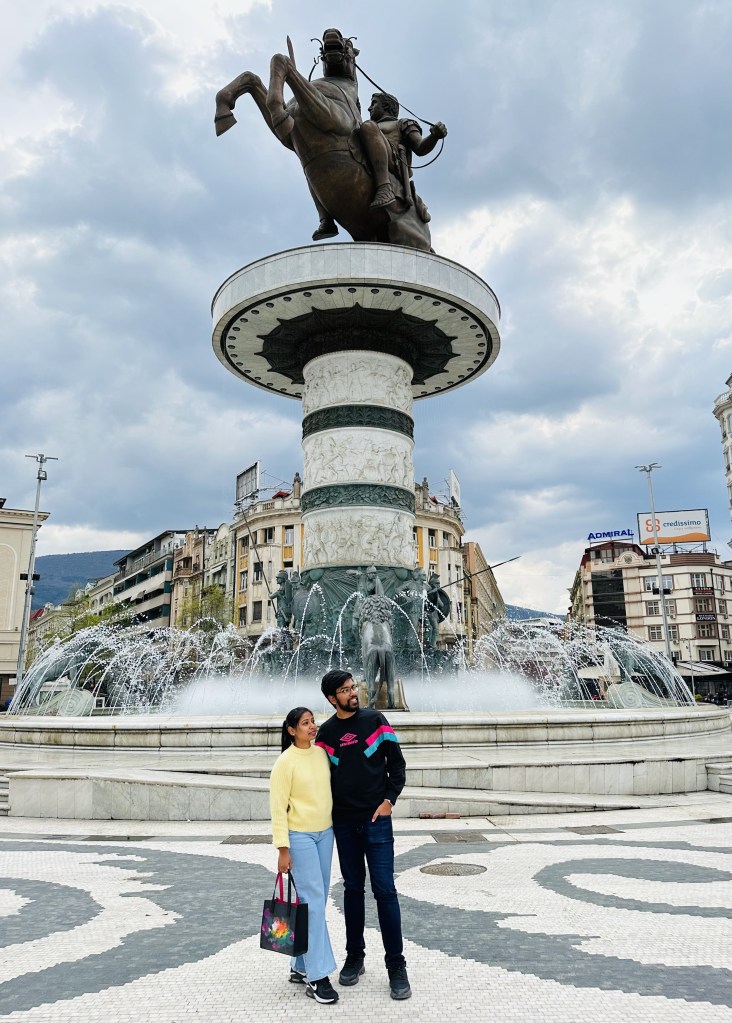
- Stone Bridge: This is a symbolic bridge that connects Macedonia Square with the Old Bazaar. It was built in the 15th century by Sultan Mehmed II and it has witnessed many historical events and changes. It is also a place where people from different ethnicities and religions meet and mingle.
- Old Bazaar: This is a charming area that preserves the Ottoman heritage of Skopje. It has narrow streets, mosques, caravanserais, hammams, markets and shops that sell everything from spices to souvenirs. It is also a place where you can enjoy the local cuisine, such as burek (pastry with cheese or meat), kebabs, tavche gravche (baked beans) and ajvar (red pepper relish).
- Kale Fortress: This is a medieval fortress that overlooks the city from a hill. It was built in the 10th century by Emperor Samuil and later expanded by the Ottomans. It has several towers, gates and walls that offer panoramic views of Skopje and its surroundings. It is also a venue for cultural events and festivals.
- Memorial House of Mother Teresa: This is a modern building that honors the life and work of Mother Teresa, who was born in Skopje in 1910. It has a museum that displays photos, documents, awards and personal items of the Nobel Peace Prize laureate. It also has a chapel that resembles her tomb in Kolkata.
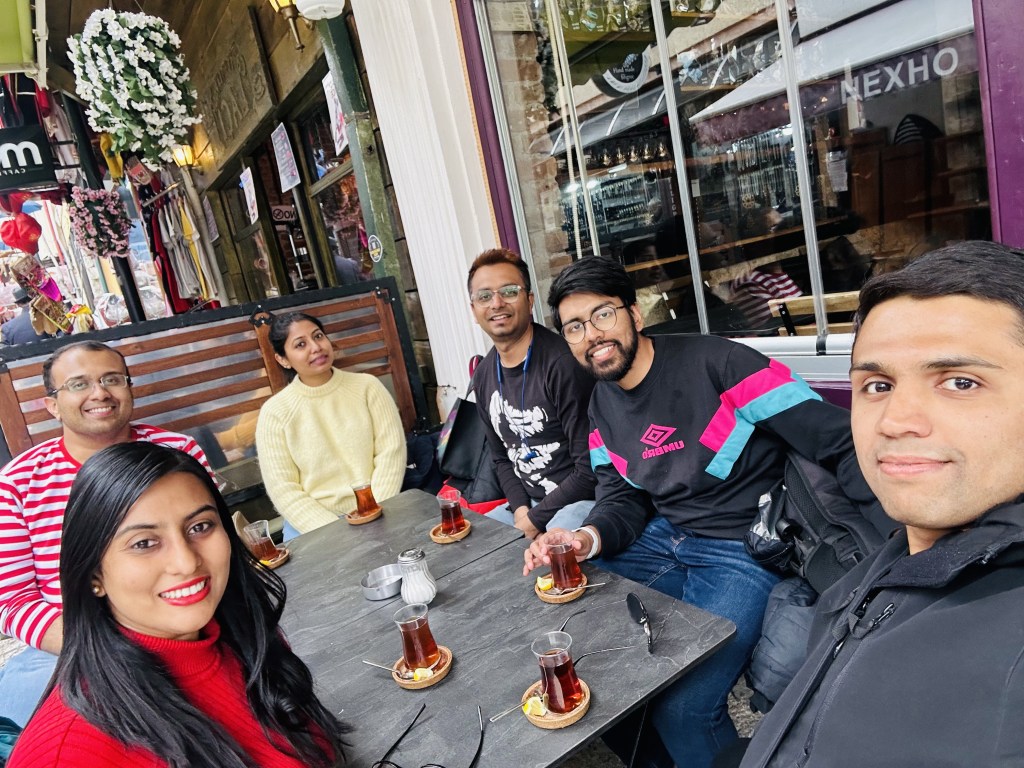
We also relaxed at one of the many cafes and teahouses that offer delicious tea and sweets.
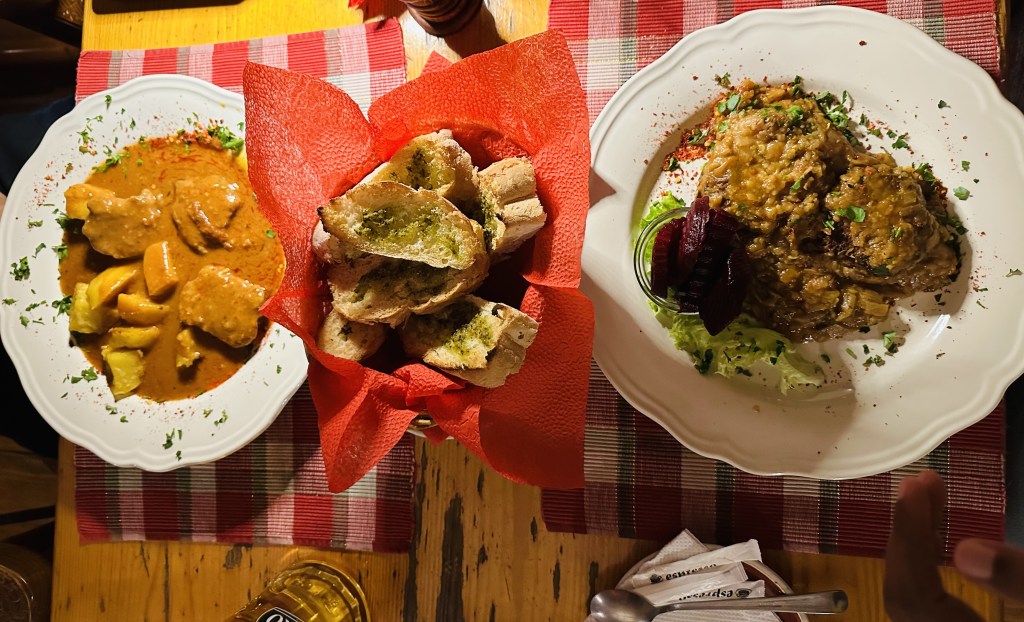
We did some shopping for magnets and other souvenirs at the Old Bazaar and then went for dinner at Pivnica An, a cozy restaurant with a rustic decor and live music. We ordered some traditional dishes, such as sarma (stuffed cabbage leaves), pastrmajlija (flatbread with meat) and shopska salad (tomato, cucumber, onion and cheese). We also tried some local beer from their own brewery.
We had a wonderful day in Skopje, discovering its rich and diverse culture and history. We took a walk back to the Hotel and went to bed as the next day we were leaving for Munich.
In short we had an amazing time exploring Bulgaria and North Macedonia, two countries that are often overlooked by travellers but have so much to offer. We were impressed by their natural beauty, cultural diversity, historical legacy and friendly people. We learned a lot about their past and present, their struggles and achievements, their traditions and innovations. We also enjoyed their delicious food, drinks and music.
We visited some of the most famous and beautiful places in both countries, such as Sofia, Plovdiv, Rila Monastery, Boyana Church, Skopje. We also discovered some hidden gems and off-the-beaten-path destinations that surprised us with their charm and authenticity. We met some wonderful guides and locals who shared their stories and insights with us. We also made some new friends from different countries and backgrounds who joined us on our tours.
We highly recommend visiting Bulgaria and North Macedonia if you are looking for a unique and affordable destination in Europe. You will not regret it. They are two countries that will touch your heart and soul. We hope to come back someday and see more of their wonders. Thank you for following our travel blog and we hope you enjoyed reading about our adventures. Until next time!


Leave a Reply