Some trips take a year to plan. This one took about an hour, a fortnight before we went.
We had a free weekend in October with nothing in it, and an idle look at flights turned up Memmingen to Bucharest for less than the cost of a nice dinner. Two hours and a bit in the air, no visa to think about, no vaccinations, no packing list beyond a coat. We booked it that evening — two weeks out — and that was the entire planning process.
Three days. One city, two castles, and a country neither of us knew the first thing about.
The route
| Stop | Nights | Getting there |
|---|---|---|
| Bucharest | 3 | Flight from Memmingen, about 2h 15m |
| — Bran Castle & Peleș Castle | day trip | Organised day tour, roughly 3h each way |
| Home | — | Flight back to Memmingen |
Bucharest, on no notice
Nobody talks about Bucharest, and having spent three days there we think that is a mistake — but we also understand it. It is not a pretty city in the way Prague or Vienna are pretty. It is a city of enormous contradictions, sitting next to each other on the same street: French-looking nineteenth-century mansions, brutal communist-era blocks, glass towers, an ornate Belle Époque bank, and then a hole in the ground.
What it does have is an old town that is genuinely fun, food that is excellent and absurdly cheap, and a way of being lived-in rather than curated.
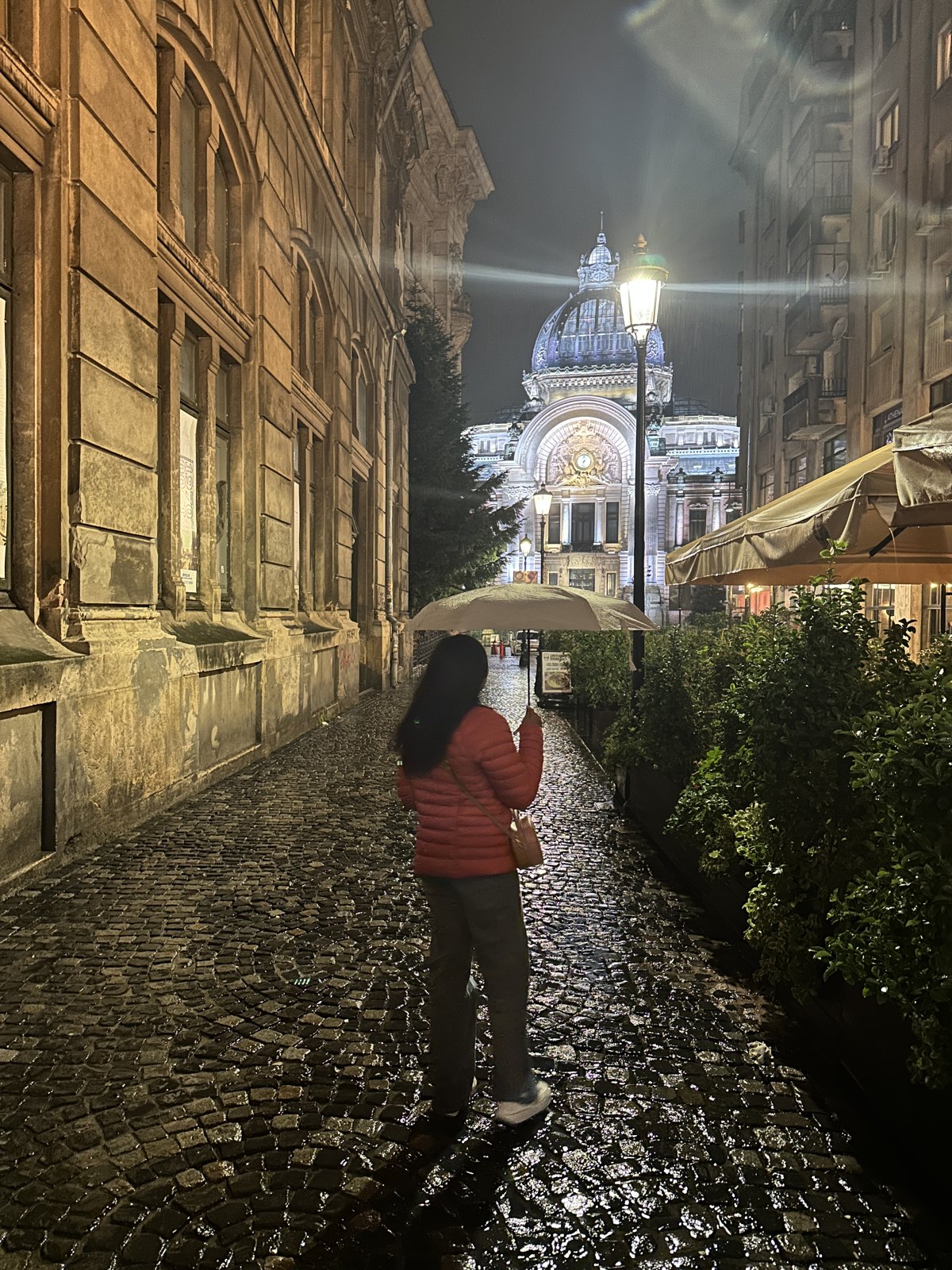
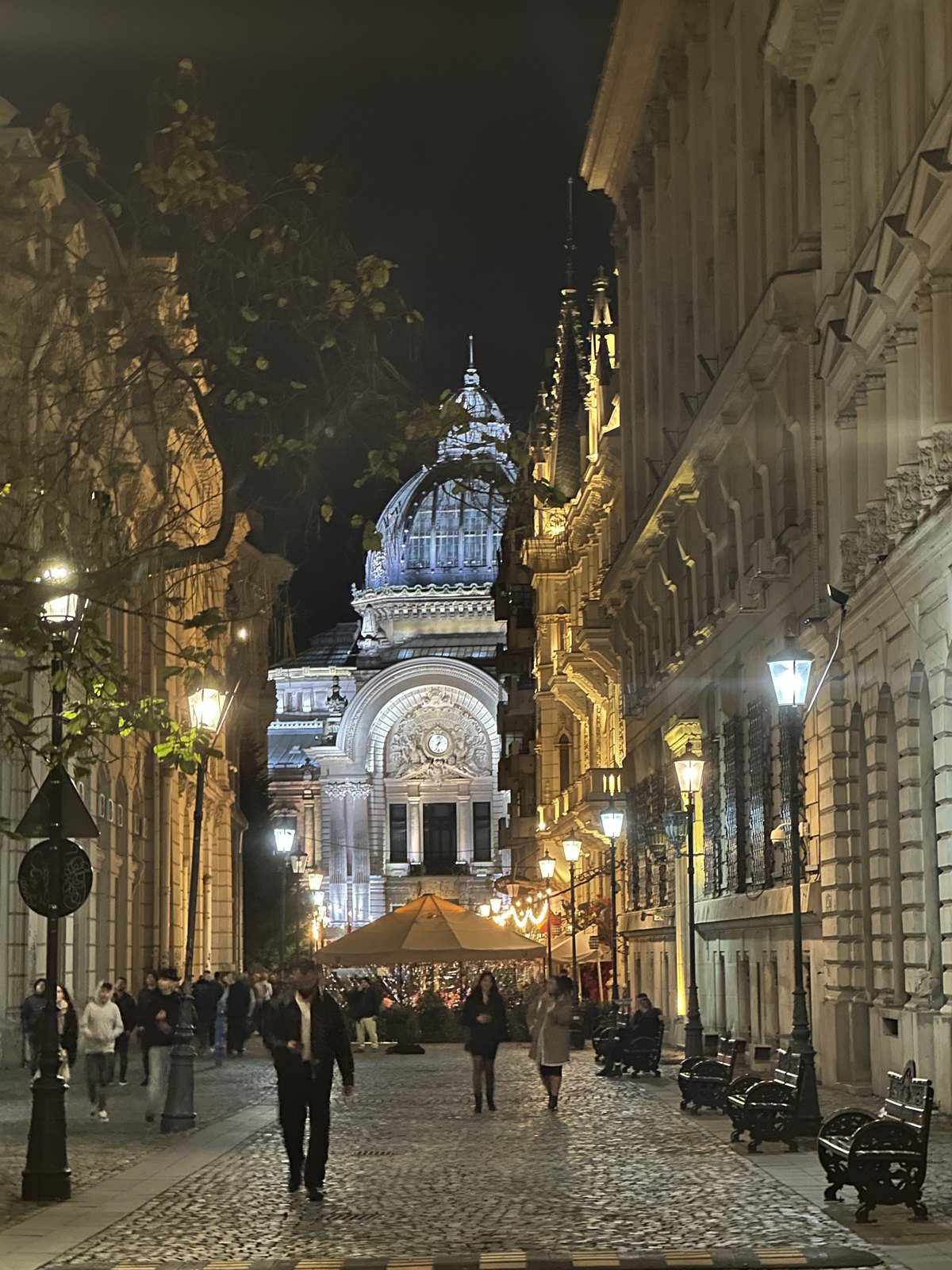
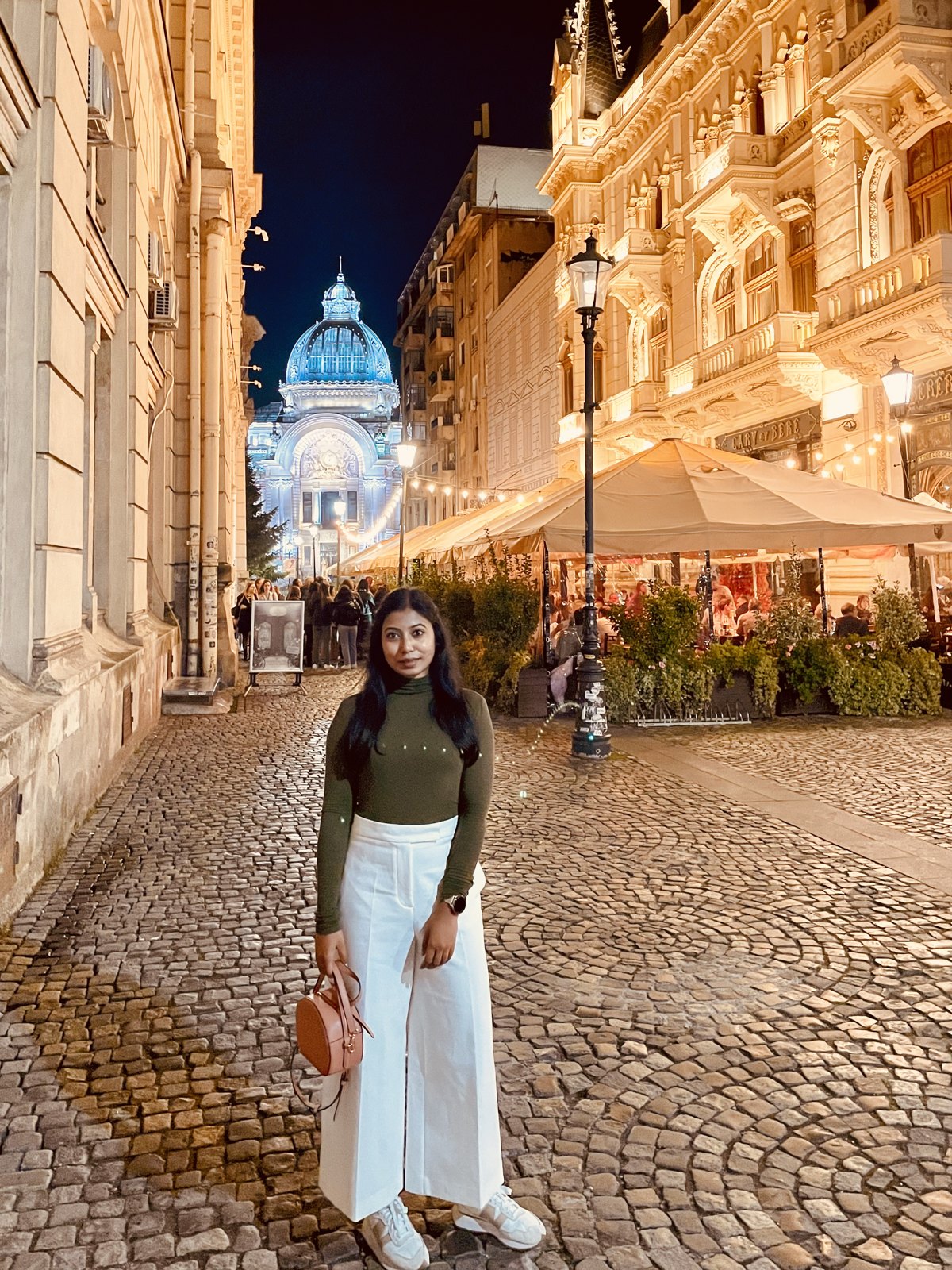
It rained on us the first night, which turned out to be the best thing that could have happened — the cobbles of Lipscani go glossy, every lamp doubles in the puddles, and the CEC Palace at the end of the street looks like something out of a film set.
The bookshop
Cărturești Carusel is on everybody’s list for a reason. It is a nineteenth-century building gutted and rebuilt into six floors of white balconies and spiral staircases around an open atrium — the “carousel of light” — and it is a working bookshop, not a museum.
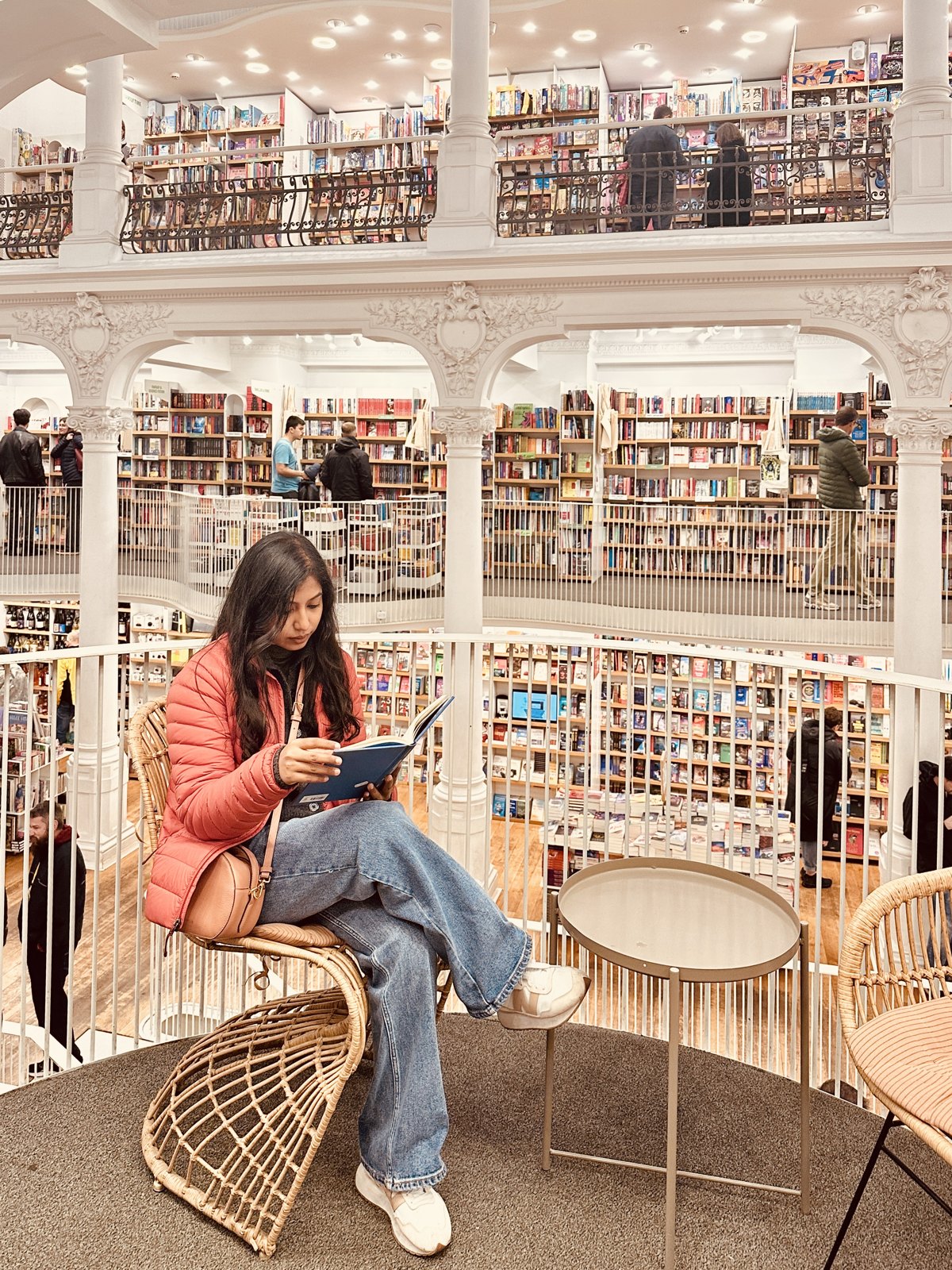
Go early if you want it quiet, and go up to the top floor, where there is a small café and the view down through all six levels.
The food, which we were not expecting
This is the thing we will bore people about. Romanian food is hearty, unfashionable and very, very good, and in Bucharest it costs almost nothing.
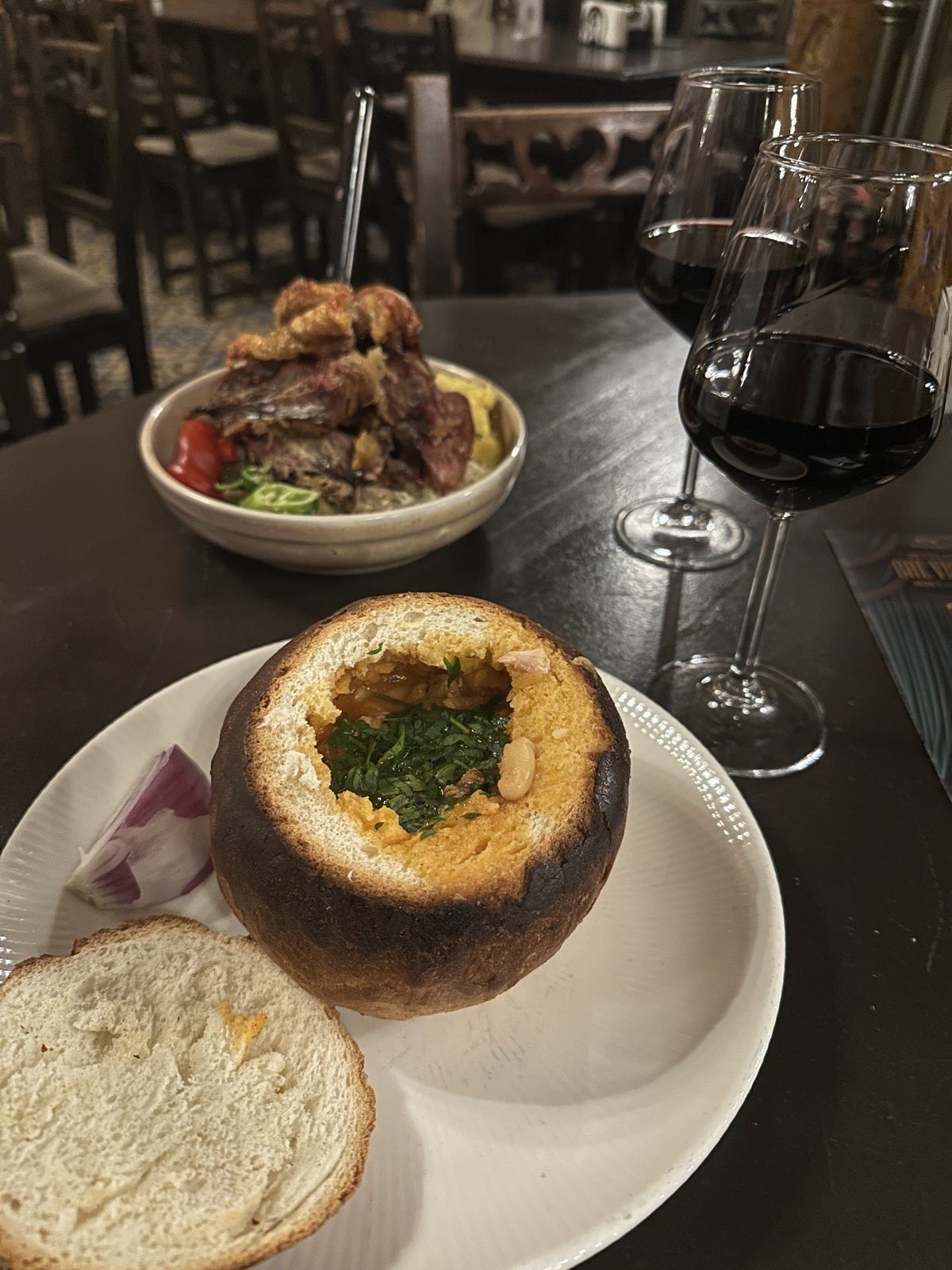
Ciorbă is the national soup — sour, usually with beans or tripe or meatballs, soured traditionally with fermented wheat bran — and the version to order is the one served inside a hollowed-out round loaf. You eat the soup, then you eat the bowl.
And mici: small skinless grilled sausages of beef, lamb and pork, served with mustard and chips and beer, which are what Romanians actually eat rather than what restaurants think tourists want.
Two places we would send anyone. Caru’ cu Bere — “the beer cart” — has been going since 1879 and the room alone is worth the visit: carved wood, stained glass and painted vaulting, like eating inside a small cathedral. It is the most touristed restaurant in Bucharest and it is still good, which is rare. And Hanu’ lui Manuc, an early nineteenth-century merchants’ inn built around a wooden galleried courtyard, where you sit outside under the balconies. Book both, especially at a weekend.
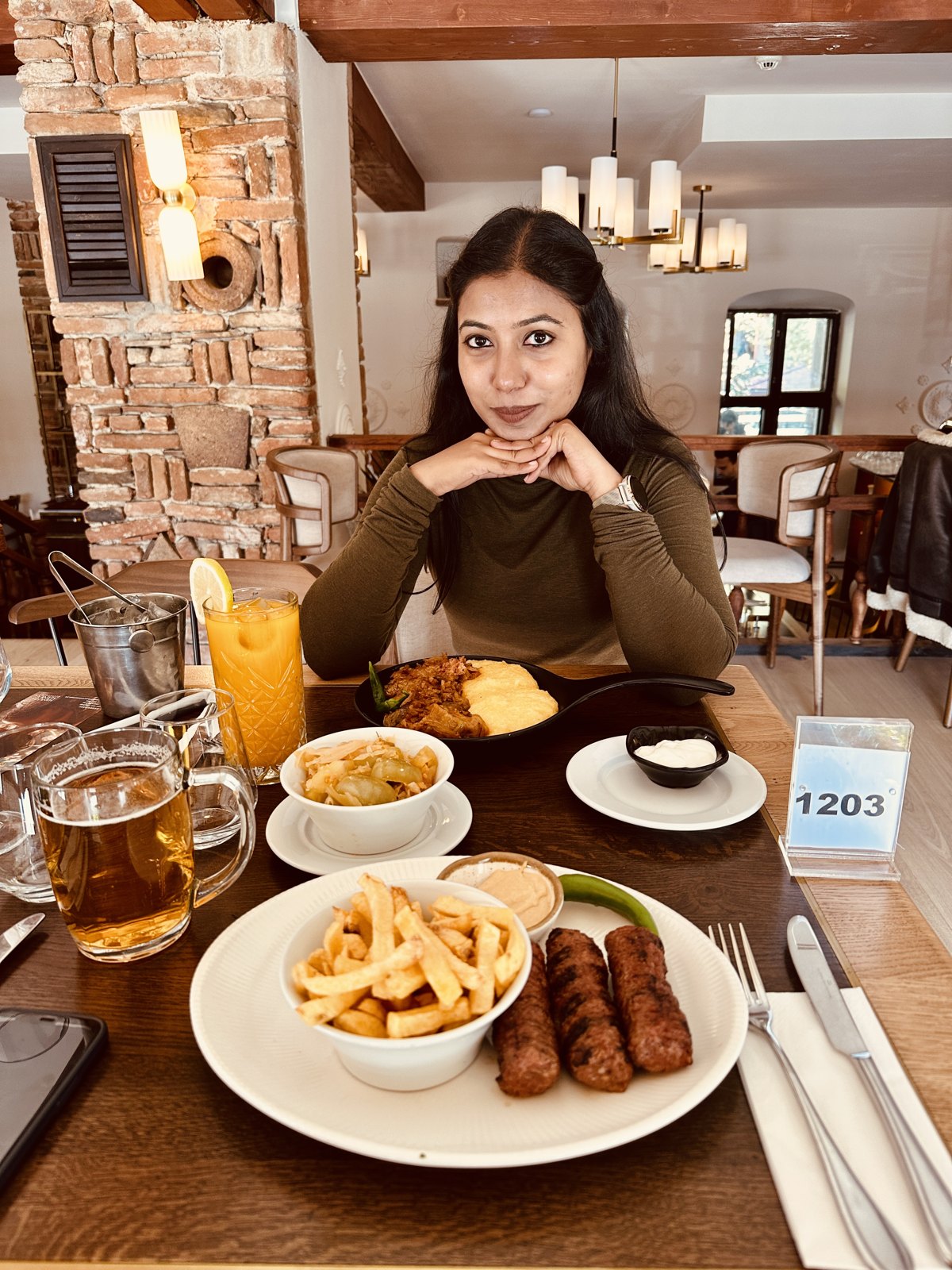
The other discovery: Romanian wine is good and nobody outside Romania seems to know. The country has been making wine for thousands of years, has indigenous grapes you will not have heard of — Fetească Neagră, Fetească Albă, Tămâioasă — and a decent bottle in a restaurant costs less than a mediocre glass at home.
The castle day: Bran and Peleș
With one full day outside the city we did the obvious thing and booked an organised day tour that does both castles. It is a long day — you are picked up early, you are back after dark, and a good chunk of it is spent on the road up the Prahova valley — and for a three-day trip it is exactly the right call. No car hire, no parking, no working out Romanian road signs on a Saturday.
Bran: the castle that has to live with a reputation
Let us clear this up, because the tour guide will too. Bran is not Dracula’s castle. Vlad Țepeș — the fifteenth-century Wallachian prince the character is loosely named after — almost certainly never lived here, and Bram Stoker never visited Romania at all. The connection is a marketing decision that stuck so hard it now supports an entire village of souvenir stalls.
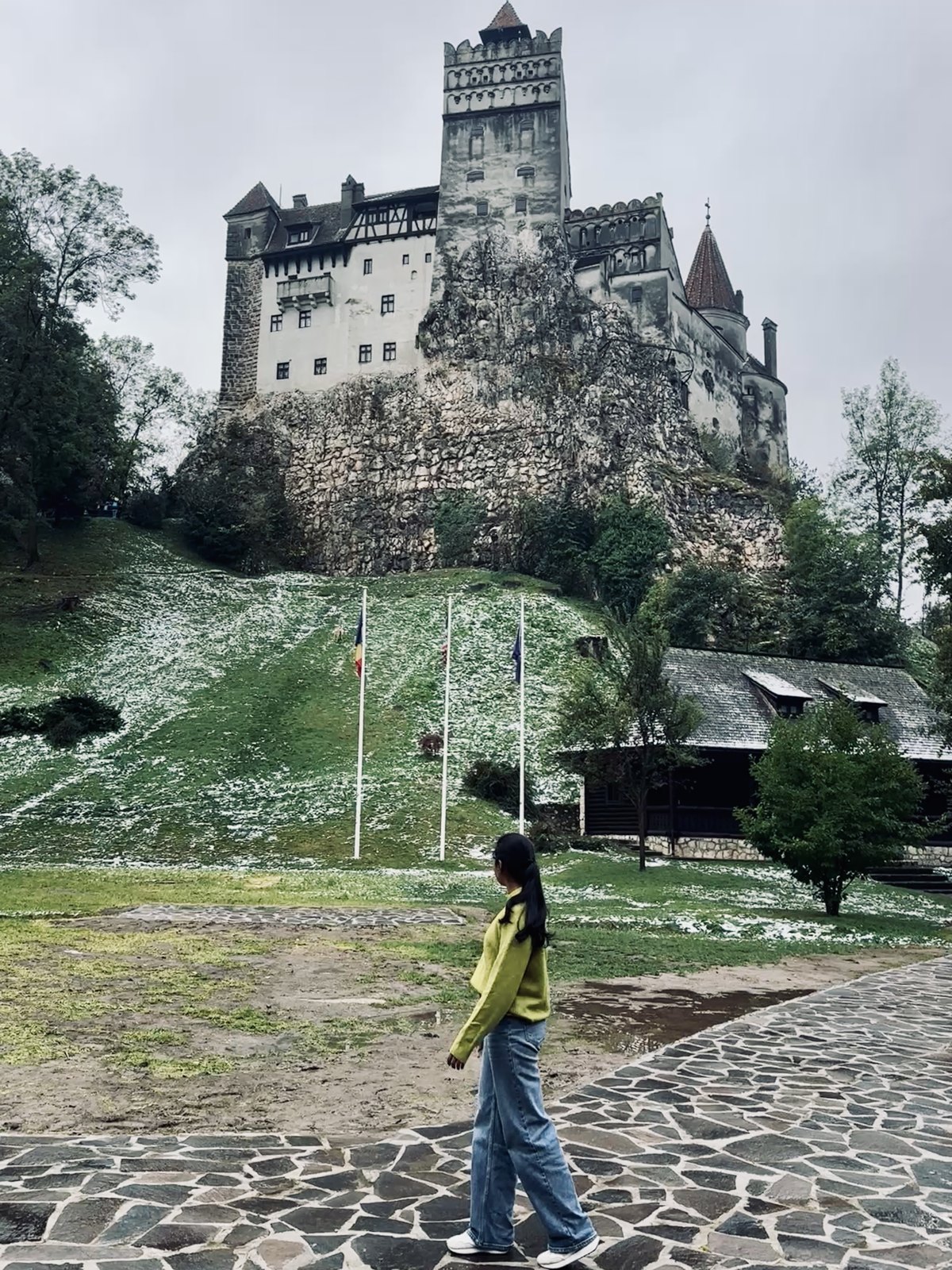
What it actually is, is better. A fourteenth-century fortress guarding a mountain pass between Transylvania and Wallachia, later the much-loved home of Queen Marie, who redecorated it into something warm and eccentric and left it full of narrow staircases, low doors and small courtyards.
We got it in mist and hail, which is either terrible luck or the single most appropriate weather this building could possibly have.
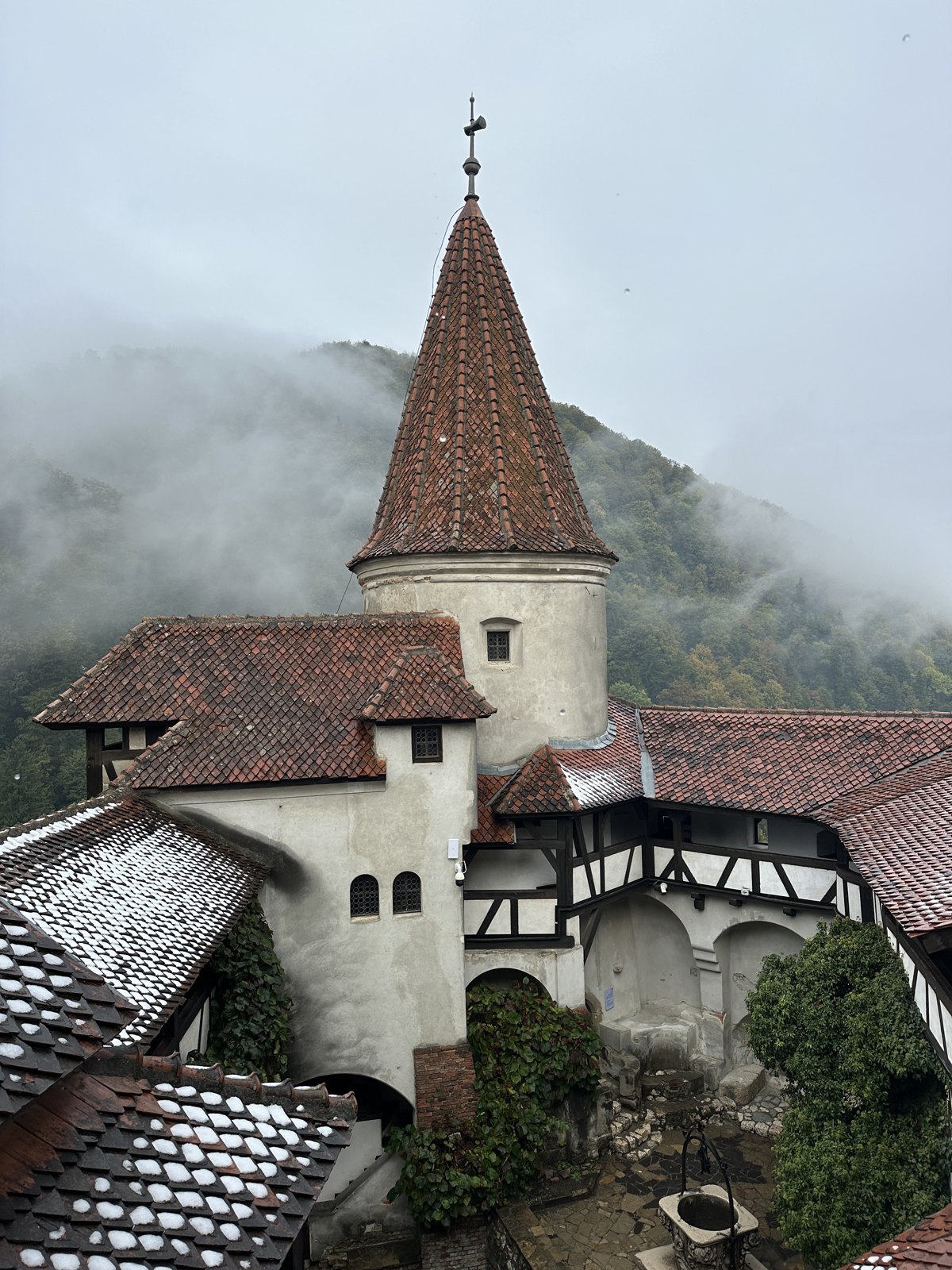
We did go inside, and you should — it is the whole point. The castle is small, the route is one-way and you shuffle, and the rooms are a warren of narrow staircases, low doors and odd little chambers opening off each other. Give the upper floors more time than the queue behind you would like, and look for Queen Marie’s rooms rather than the vampire dressing-up corner.
Peleș: the one that actually stopped us
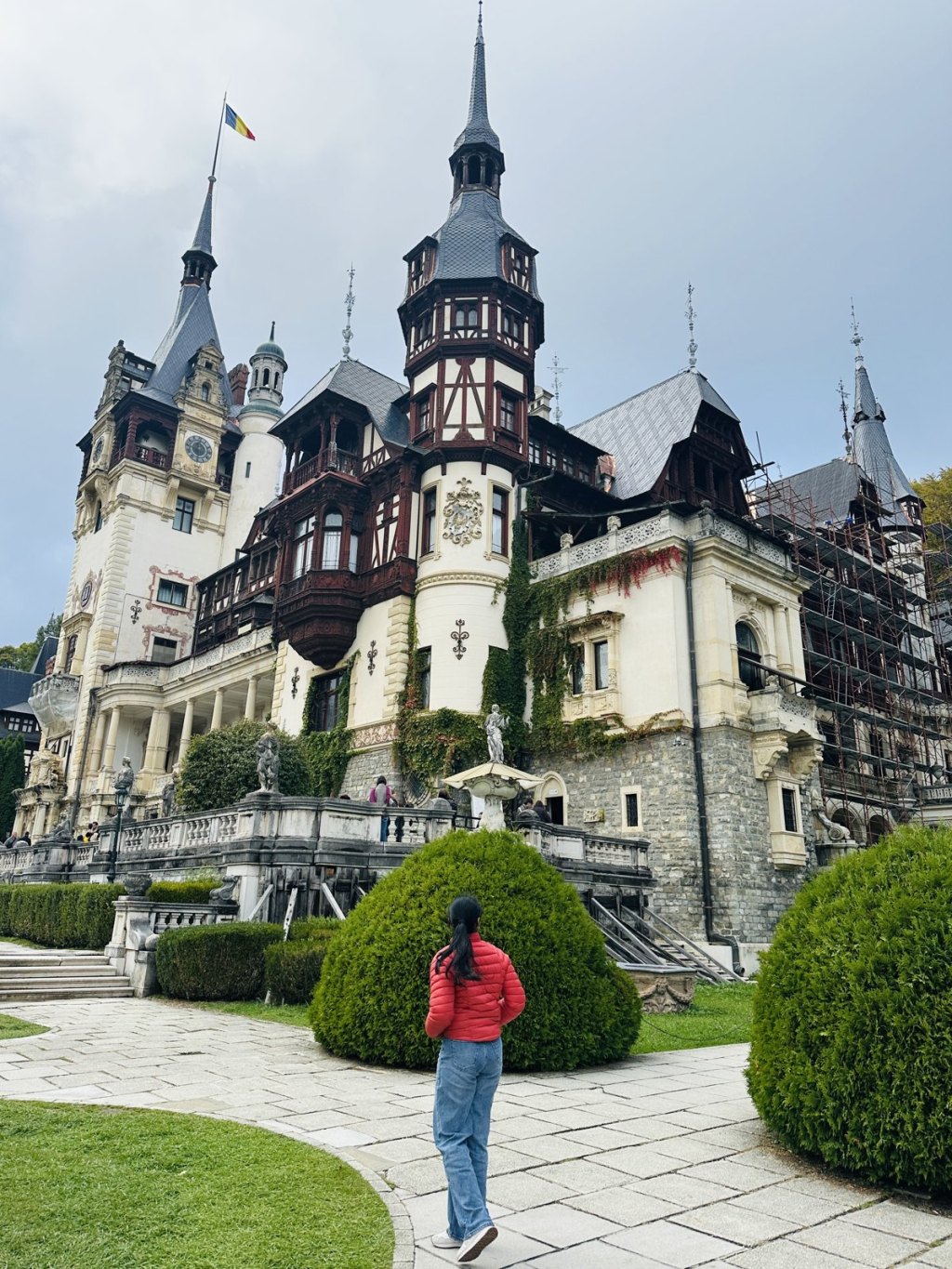
And then, an hour down the valley at Sinaia, Peleș — and it makes Bran look like a barn.
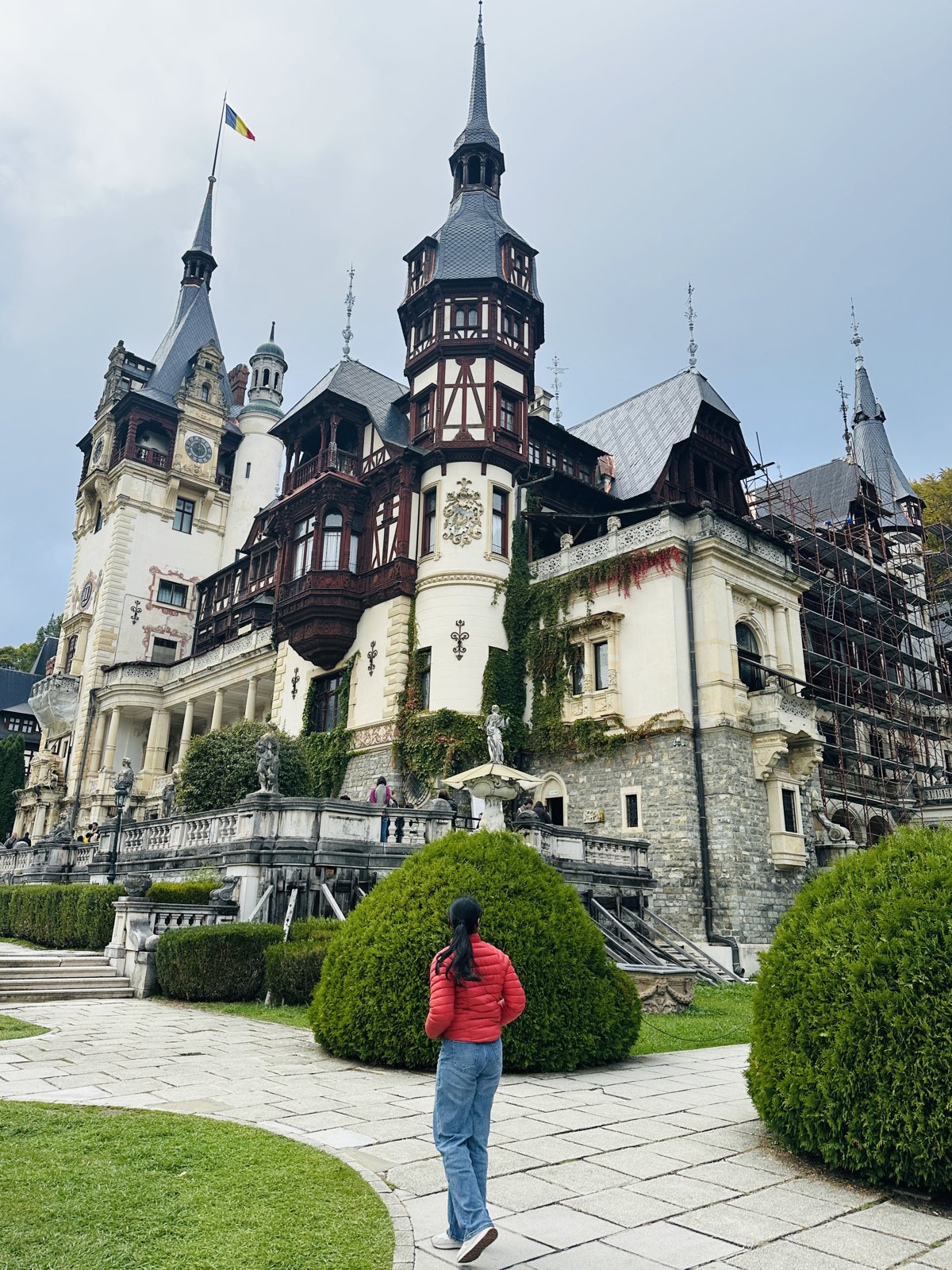
Built between 1873 and 1914 as the summer residence of King Carol I, it is Neo-Renaissance on the outside and a showing-off of the entire nineteenth century on the inside — and it was one of the first castles in Europe with electricity, central heating and a lift, powered by its own hydro plant. It is not old. That is rather the point: it was built to announce a brand-new kingdom.
The gardens alone, with the terraces and the statues and the mountains standing directly behind, are worth the drive.
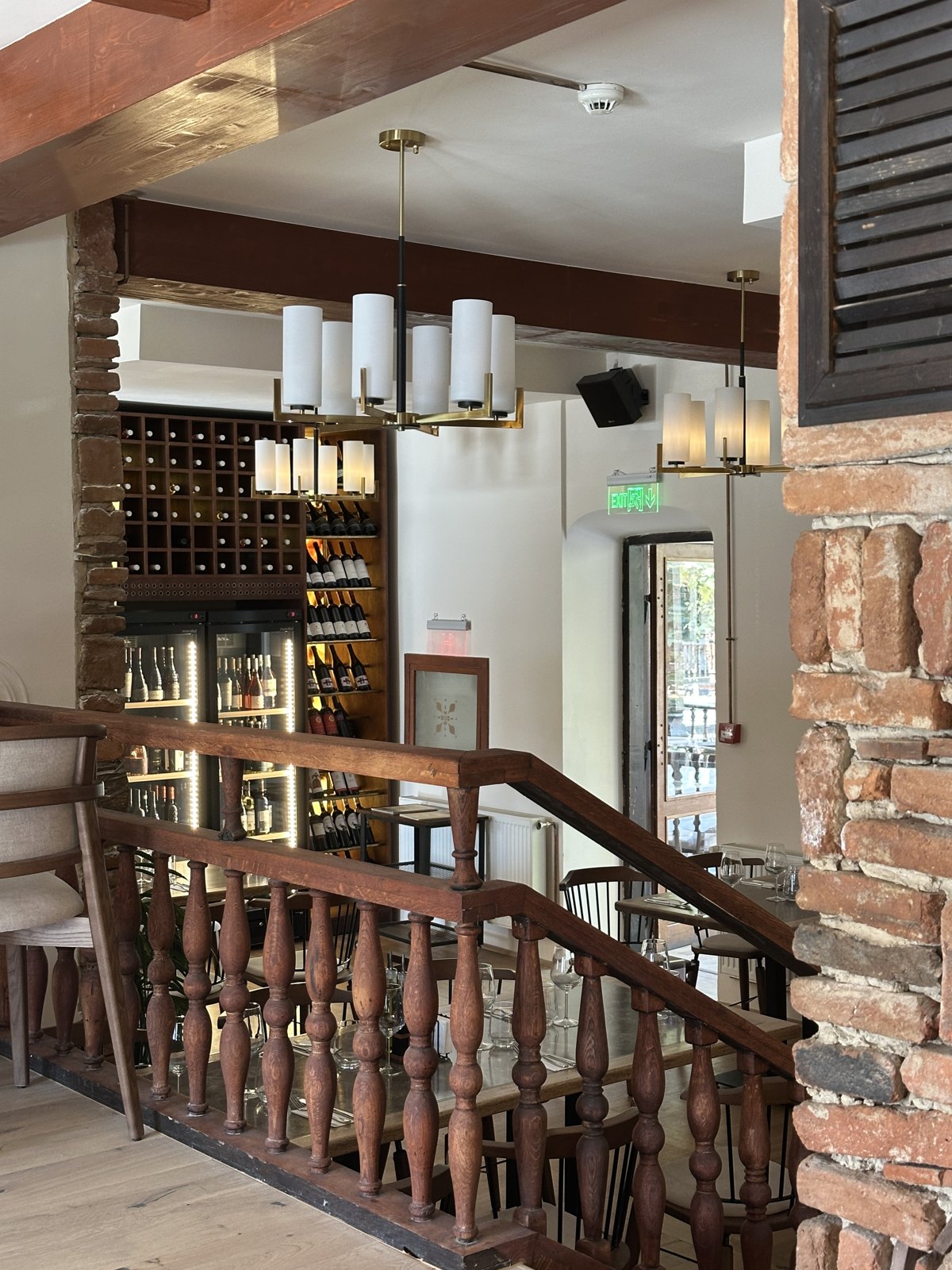
Sunday: the very large building, and the very good dumplings
Our last full day was a city day, and it started with the thing you cannot miss even if you try.
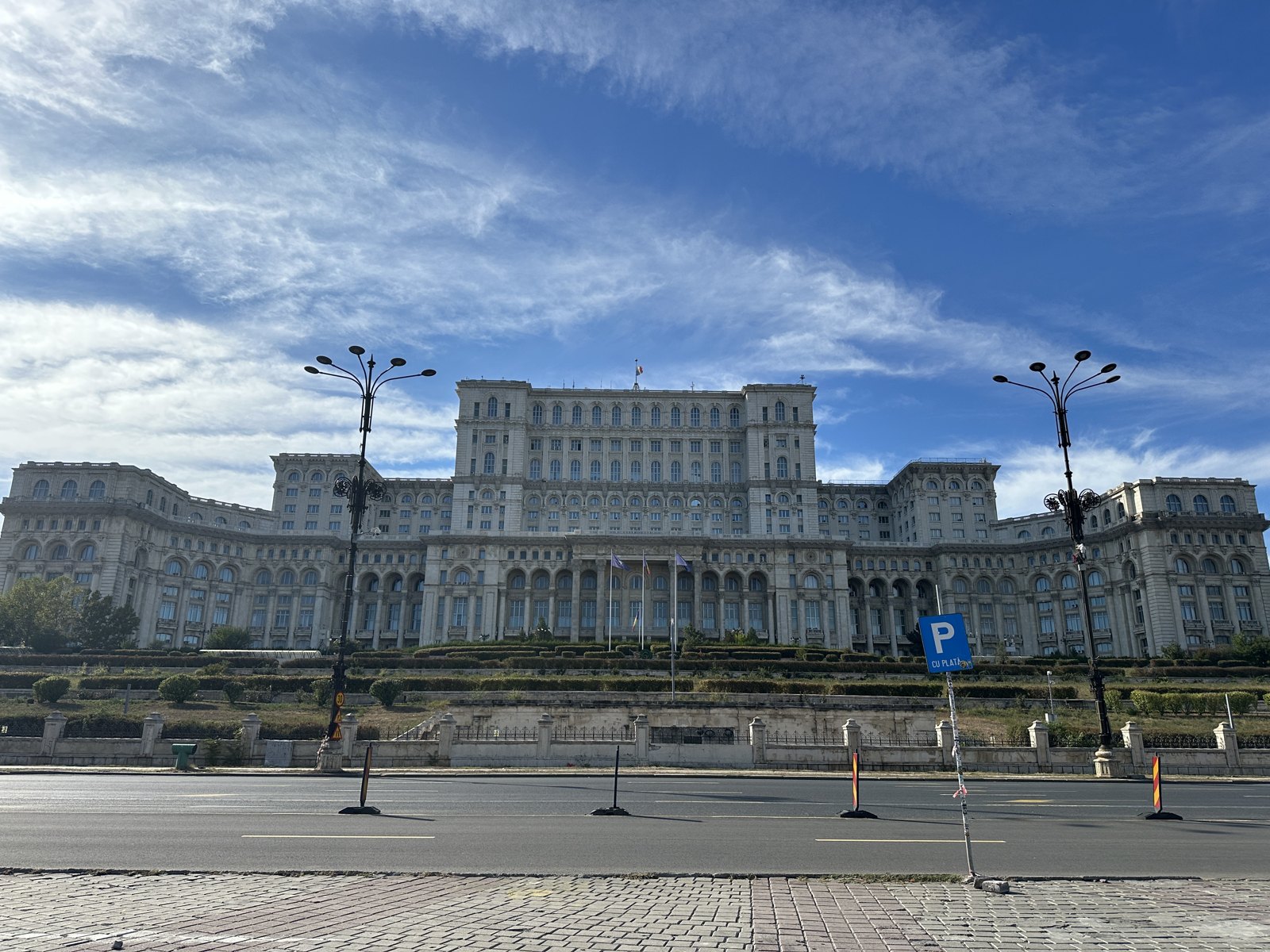
The Palace of the Parliament is the heaviest building on earth and the largest administrative building after the Pentagon. Ceaușescu levelled a fifth of historic Bucharest to build it — churches, hospitals, thousands of homes — and did not live to see it finished. Standing in front of it is genuinely uncomfortable, and it should be. It is worth doing anyway; you cannot understand the city without it.
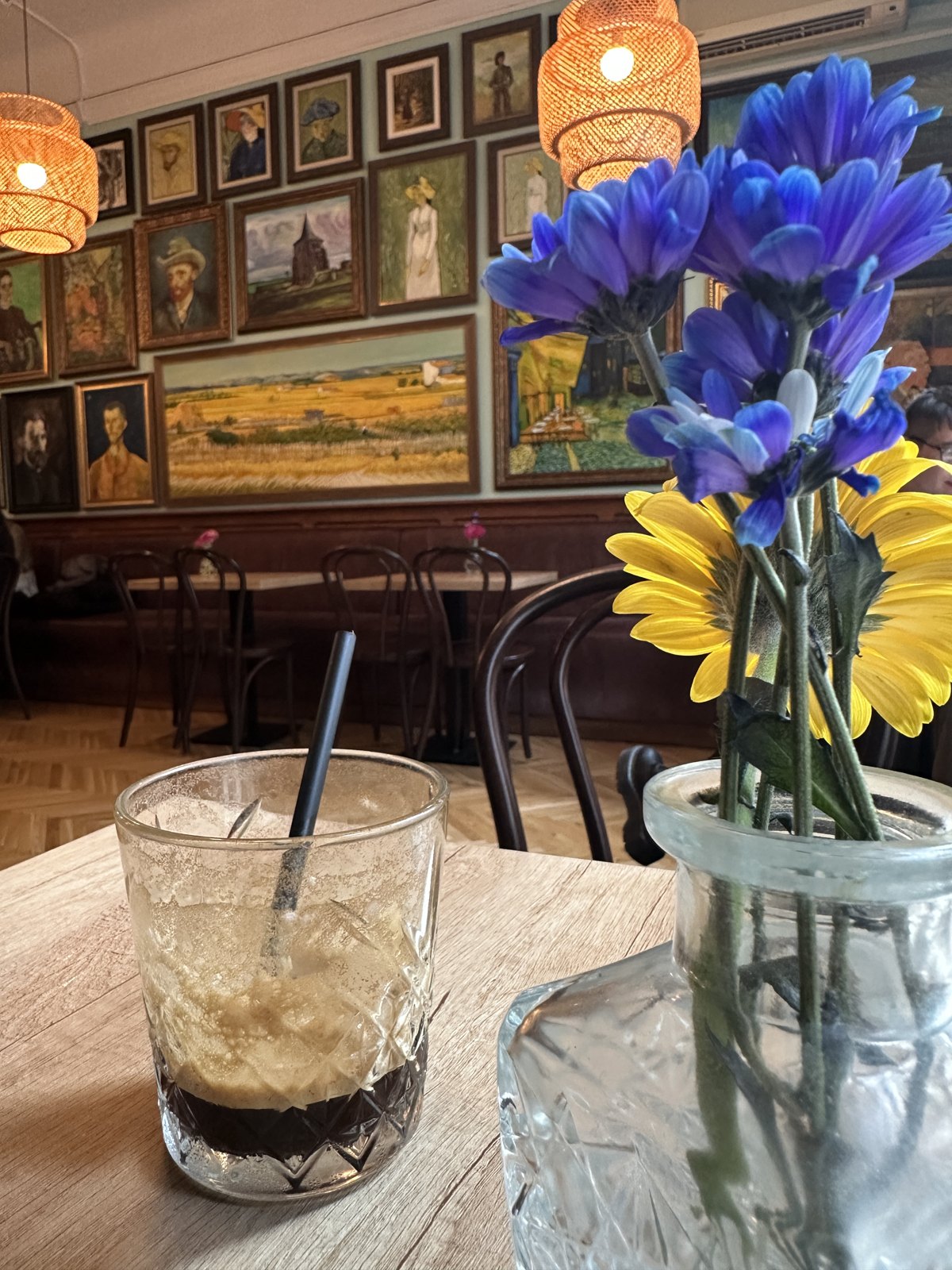
Then the rest of the day went the way good last days go: coffee, wandering, no plan.
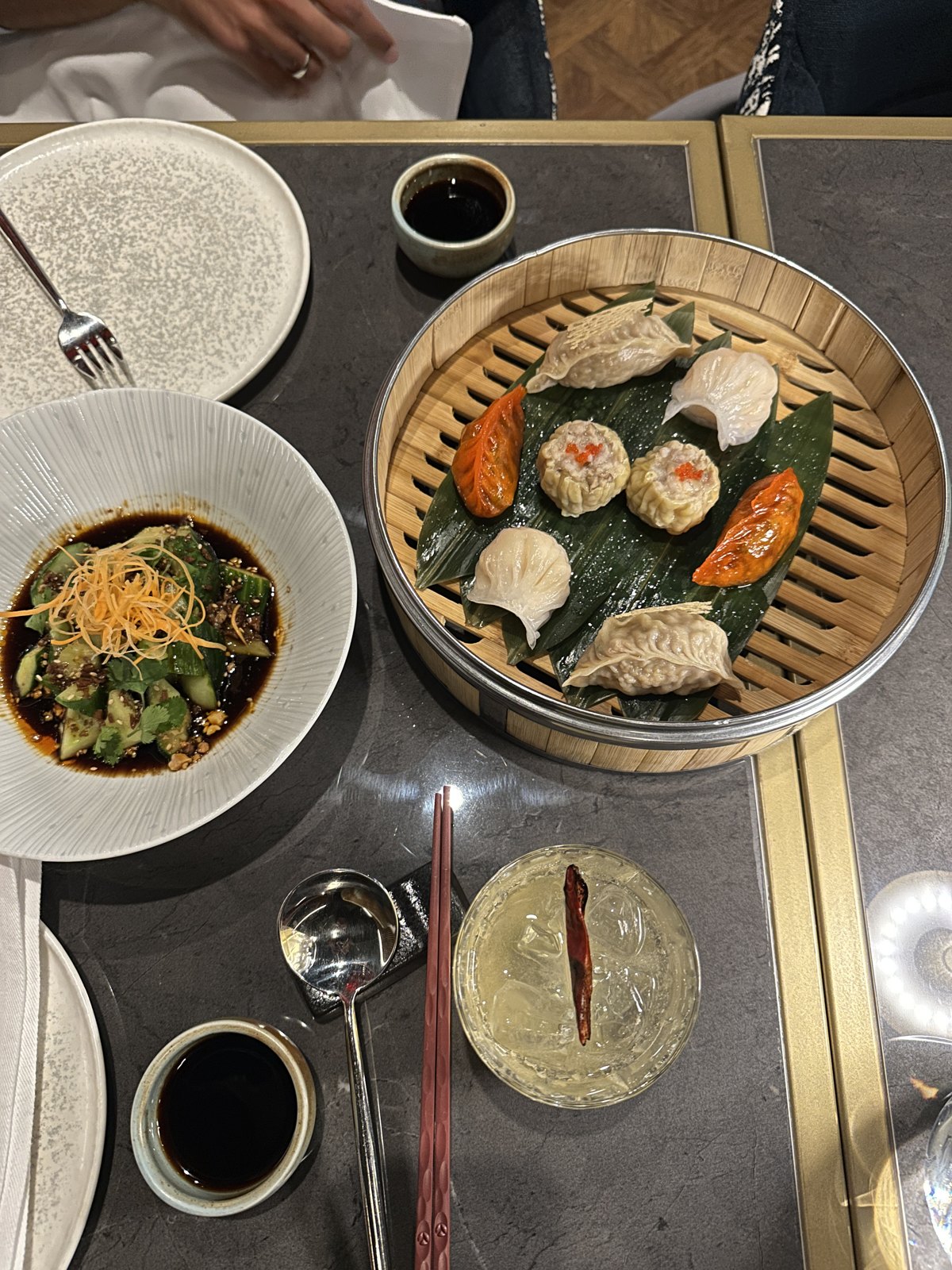
And the best meal of the trip was, unexpectedly, dim sum — which is not a very Romanian sentence, but Bucharest has a proper restaurant scene that has nothing to do with tourists. We ate at Kao, which is a beautiful room and by Romanian standards genuinely expensive — and it was the best meal we had all trip, and still cost less than the equivalent evening in Munich.
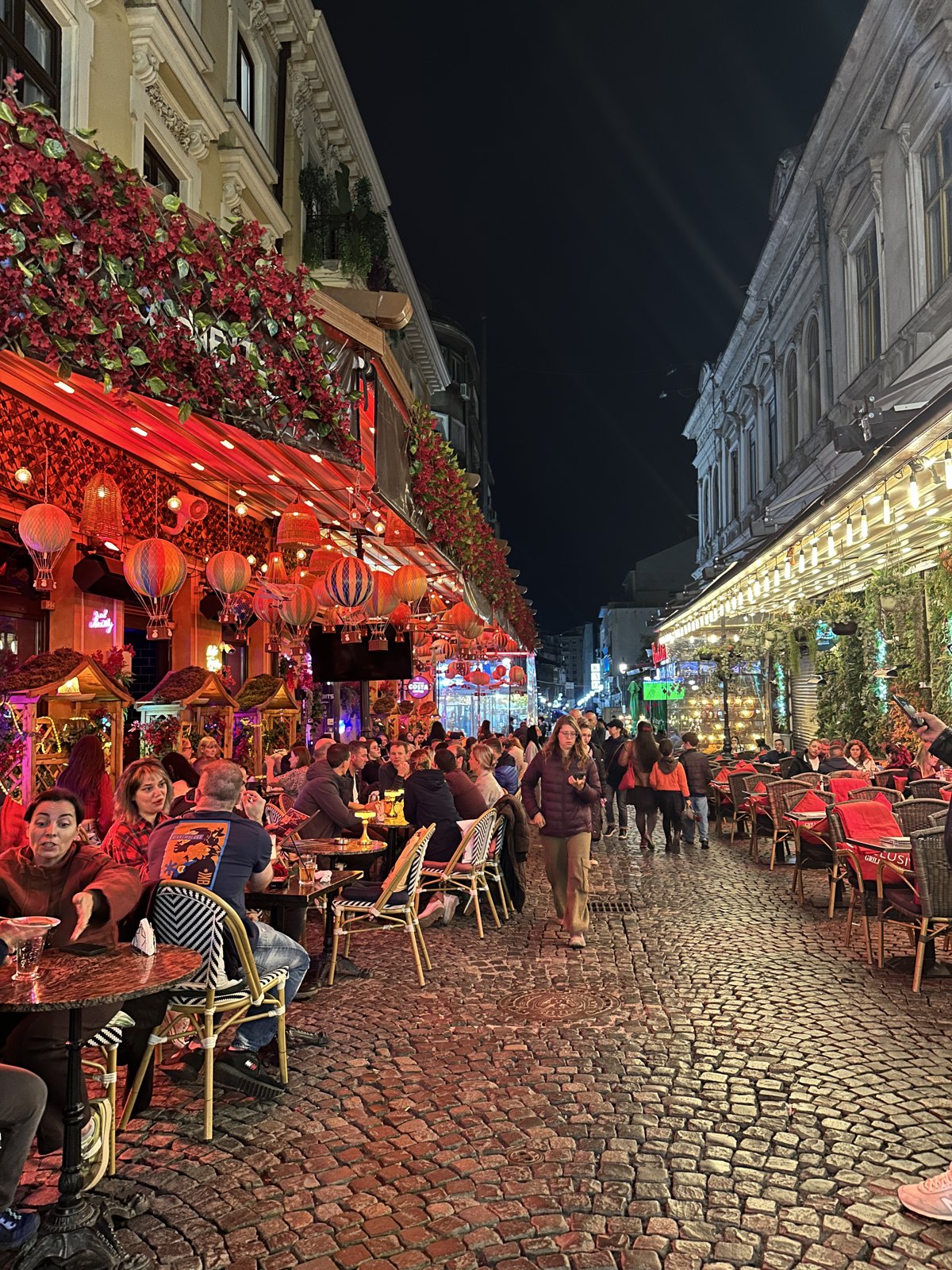
After dinner the old town does its evening thing, which is more full-on than we expected — every terrace lit, every restaurant spilling into the street, an entire quarter that seems to run on being outside.
What we would do differently
We would sleep one night in Transylvania. Doing Bran and Peleș as a day trip from Bucharest works, but it is six hours of driving to see two buildings, and you go straight past Brașov — which everybody says is the loveliest town in the country — without stopping. Next time: two nights in Brașov, the castles at our own pace, and the mountains in the morning.
We would give Bucharest itself one more day. We never got inside the Palace of the Parliament, never made it to the Village Museum, and only scratched the food.
We would not change the short-notice part. Booking a fortnight ahead and doing almost no research is, it turns out, an excellent way to travel. There is no time for the trip to become a project, and you arrive with no expectations for the place to fall short of.
Where the money goes
This was, by a distance, the cheapest trip we have taken in years.
The flights are the bargain. Bucharest is very well served by low-cost carriers out of Memmingen, and booking two weeks ahead did not punish us the way it would anywhere in western Europe.
Food and drink barely register. A proper sit-down dinner with wine costs a fraction of the Munich equivalent, and the cheap end — mici, soup, a beer — is a couple of euros.
The day tour is the single biggest line after flights and the hotel, and it is still modest. It covers transport and a guide; castle entry is usually extra, so bring cash or a card for the ticket desks.
Taxis are cheap but use an app. Bolt and Uber both work well in Bucharest and remove the entire argument.
Practical summary
Romania is in the EU and now in Schengen for air travel, so from Germany it is a domestic-feeling hop. Check the current position for your own passport before you book.
Memmingen is not Munich. It gets sold as “Munich West” and it is about 110 km from the city — roughly an hour and a half on the airport bus, or an hour and a bit to drive. Build that into both ends of the trip, and it is still cheaper and calmer than flying from Munich itself.
The currency is the leu, not the euro. Cards work almost everywhere; take a little cash for castle tickets and small cafés.
Check the castles’ closing days before you commit to a date. Peleș shuts on Mondays, and on Tuesdays outside the high season — this catches people out, and a day tour will not refund your Monday.
October is a good month. Cool, damp, quiet, cheap, and the Prahova valley is turning colour. Take a waterproof and accept that the mountains will probably be in cloud.
Two nights is not enough for Transylvania — but three days is plenty for Bucharest plus a taste of it, and that is a perfectly good trip.
Book the flight first and the plan afterwards. That was the whole method here and we would repeat it.
Three days, one carry-on each, and a country we had not thought about a fortnight earlier. Not every trip has to be a year in the planning.
 Travelspheric
Leave a comment