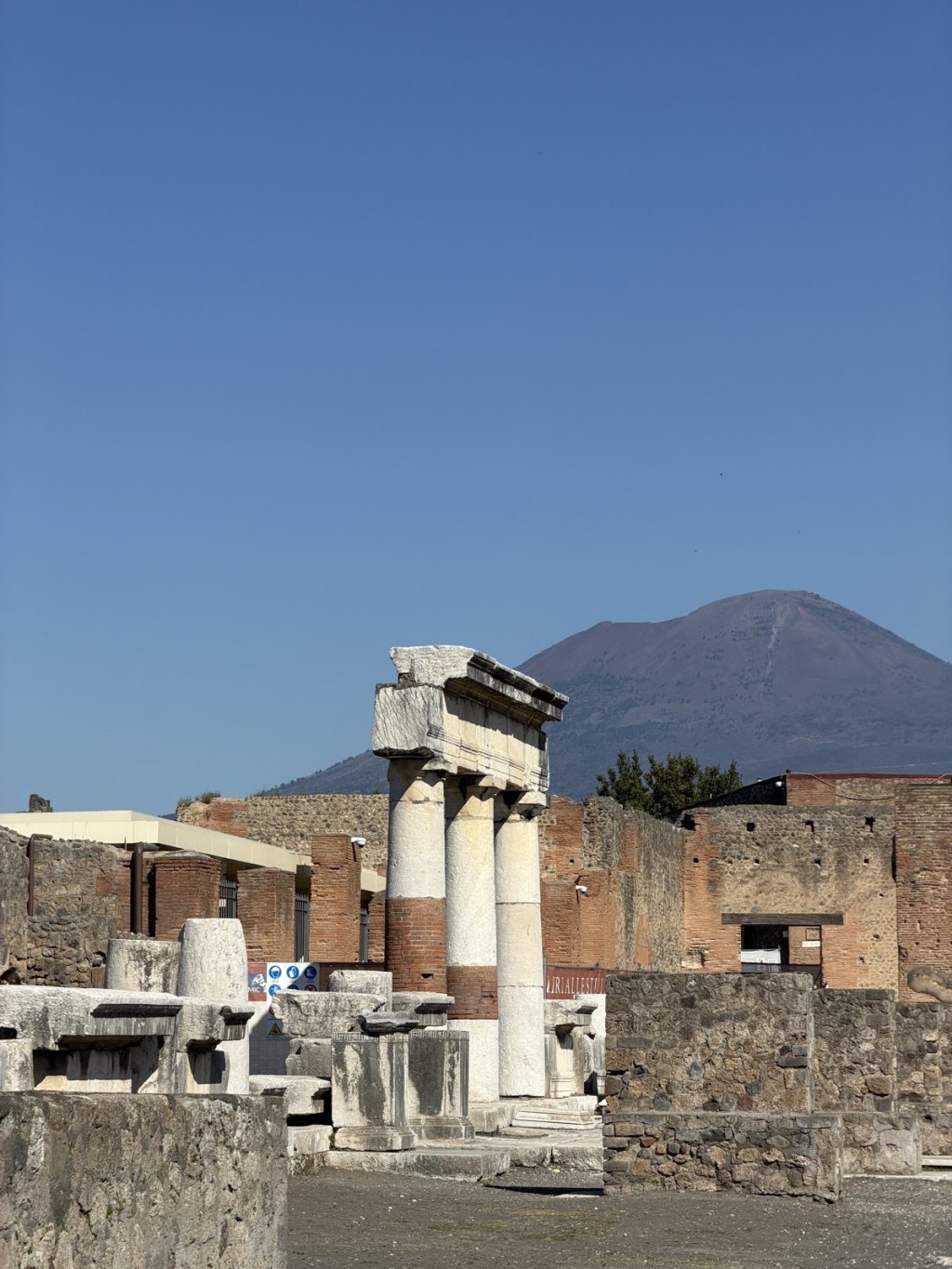
There is a particular kind of trip you cannot book. Close friends of ours are Neapolitan, and this year they asked whether we wanted to come down for Easter — not to see them for a coffee, but to spend the whole weekend with their family, on the southern slopes of Vesuvius.
So we did. Five days in early April, based in the villages around Naples and with the volcano directly above the house. Naples one day, Capri the next, Easter Sunday at a family table, and Pompeii on the Monday.
It is the best trip we have taken in Europe, and almost none of it was our idea.
The route
| Where | Nights | Getting there |
|---|---|---|
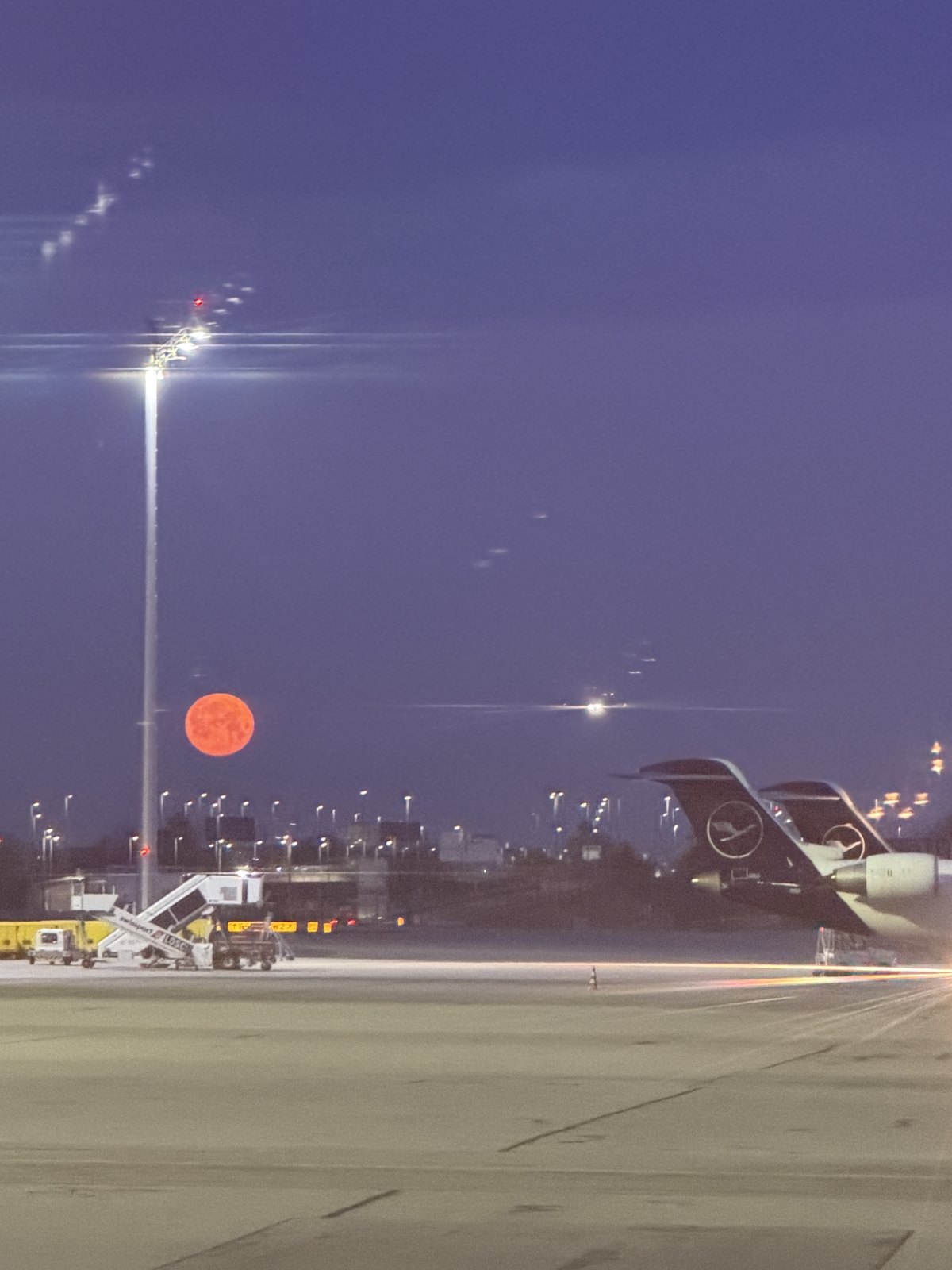
| Vesuvius slopes | 4 | Flight Munich–Naples, about 1h 45m, then road |
| — Naples | day | About 30 min by road, or the Circumvesuviana train |
| — Capri | day | Ferry from the coast, about 45 min |
| — Easter Sunday: Cantina Sorrentino | day | Twenty minutes up the mountain |
| — Pompeii | half day | Ten minutes down the hill |
Arriving, and being fed immediately
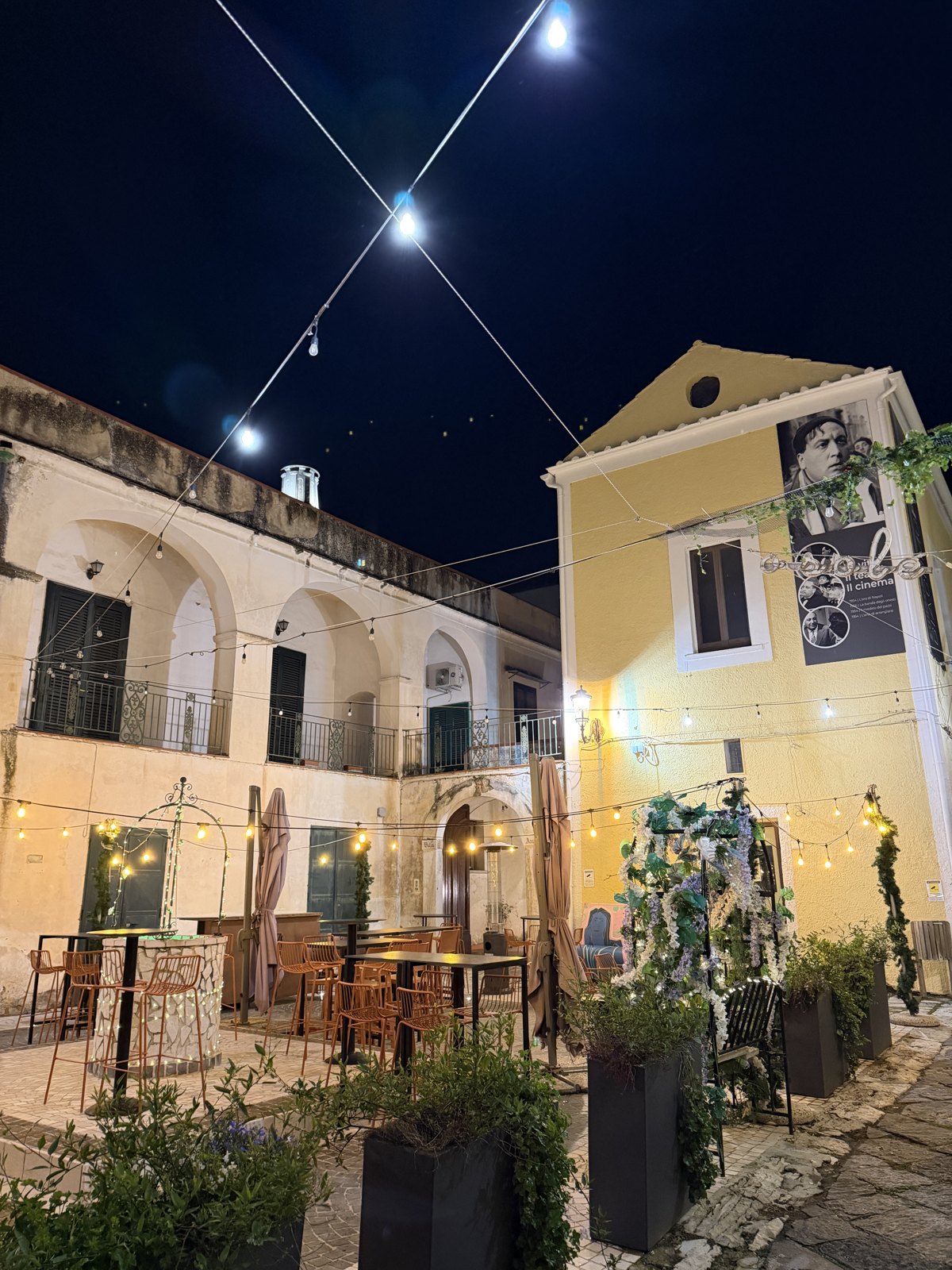
We landed in the afternoon and by the evening we were in a small square with the lights strung across it, and then at a table.
This is the part you cannot arrange for yourself. Within about twenty minutes of walking through the door there was salumi, taralli, bread, olives and an open bottle on the table, and a firm instruction that this was not dinner — dinner was later.
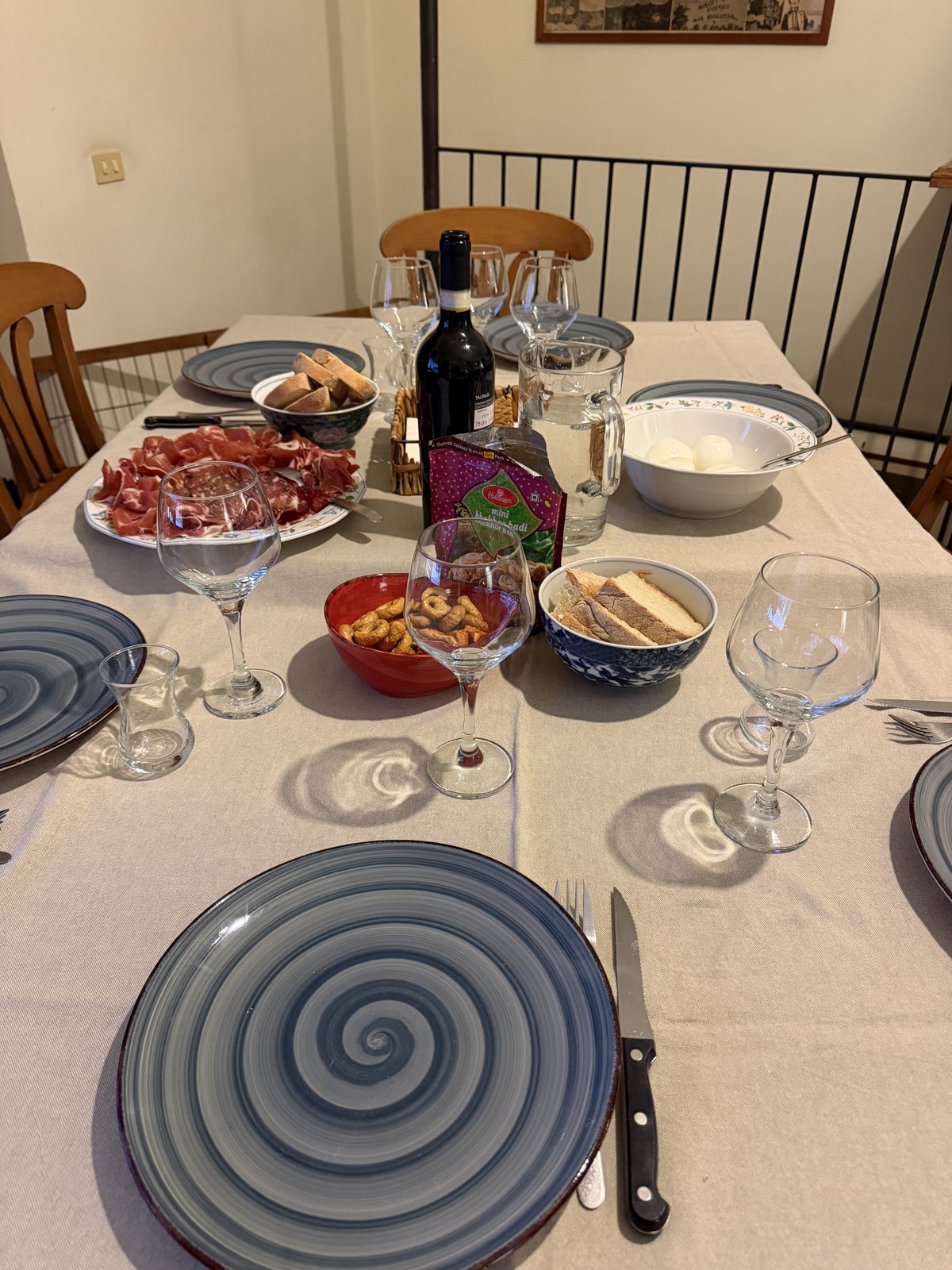
If you have ever wondered what the difference is between visiting Italy and being taken into an Italian family for a weekend: it is roughly the difference between reading a menu and being handed a plate.
Naples, which is not for the faint-hearted
Naples is loud, cracked, covered in laundry and graffiti, and completely alive. Half the guidebook energy spent warning you about it would be better spent telling you to go.
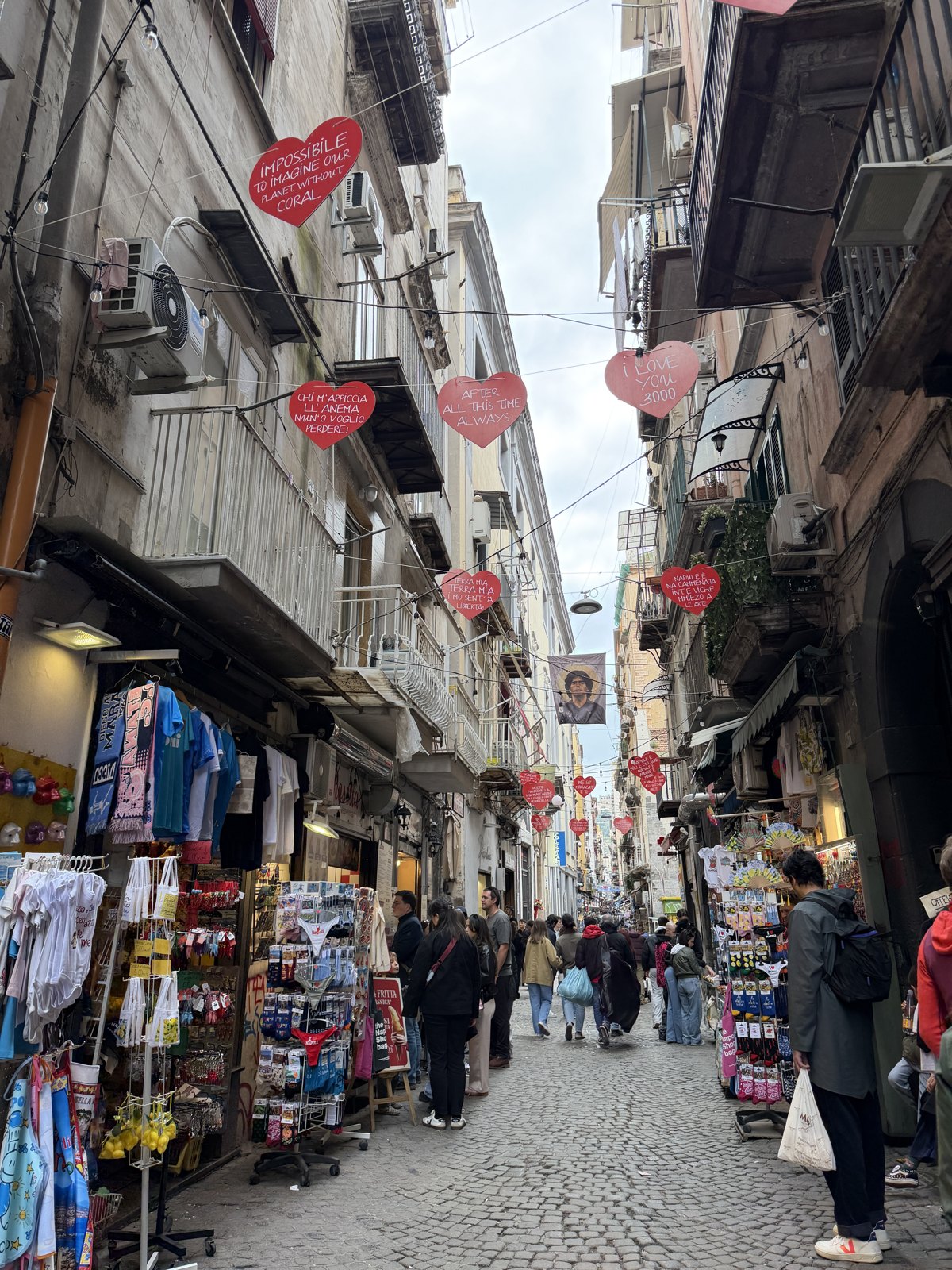
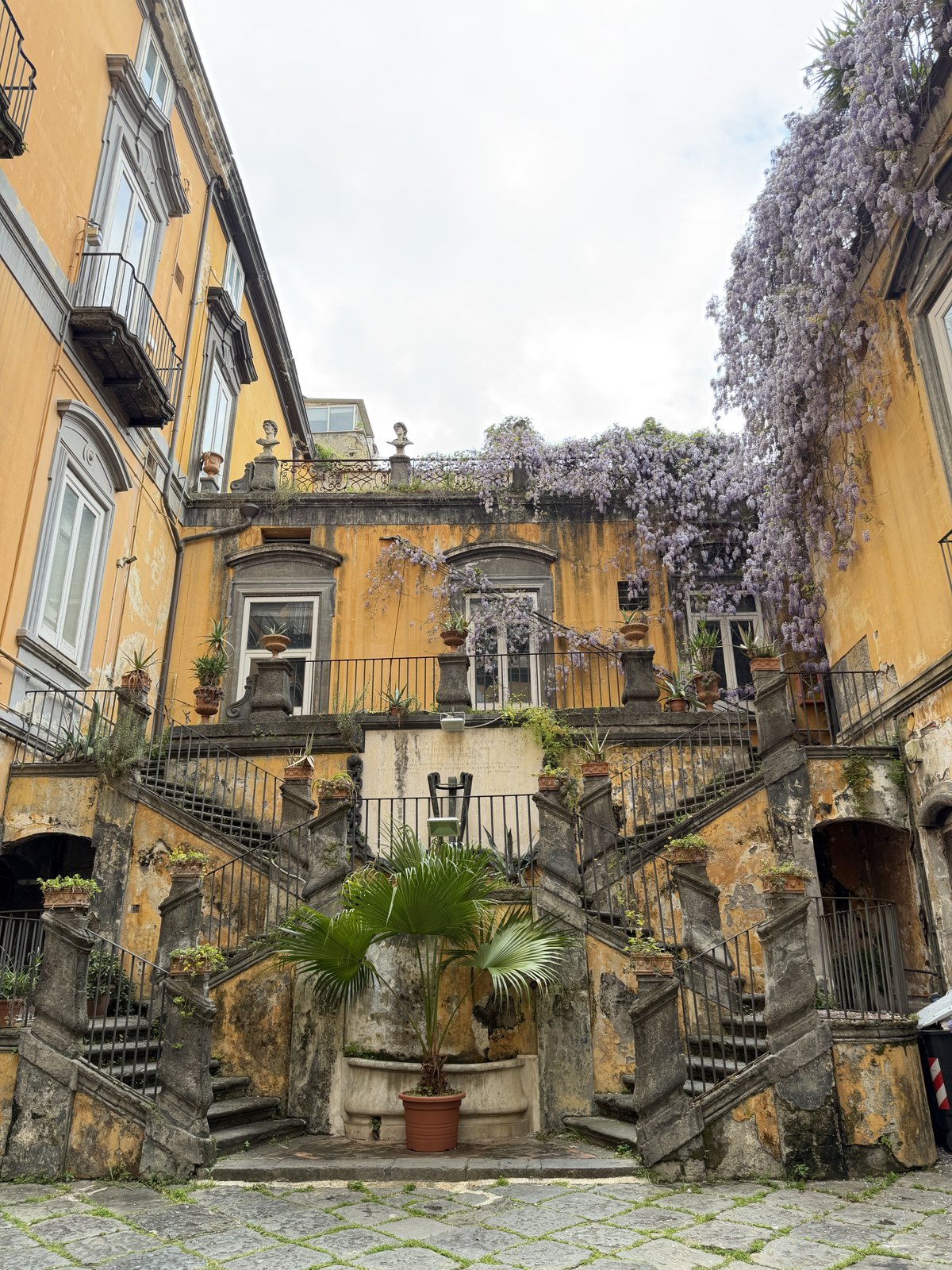
We walked the centro storico — the long straight cut of Spaccanapoli, the churches, the workshops selling nativity figures all year round, the coffee taken standing at the bar in about ninety seconds — and then kept turning into courtyards, because that is where the city keeps its best rooms.
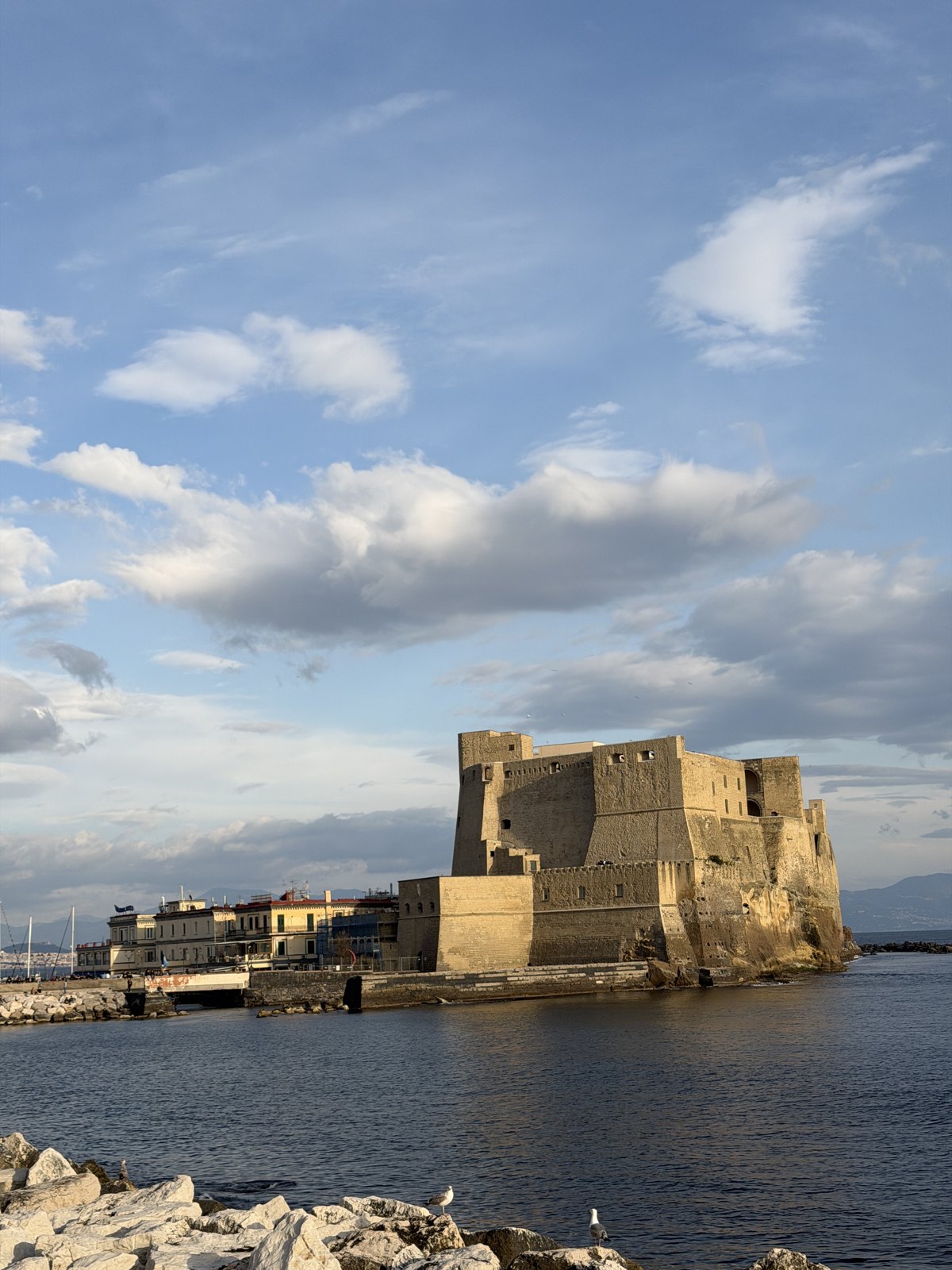
Then down to the water, which is the part people forget: Naples has a seafront that ends in a castle on a rock.
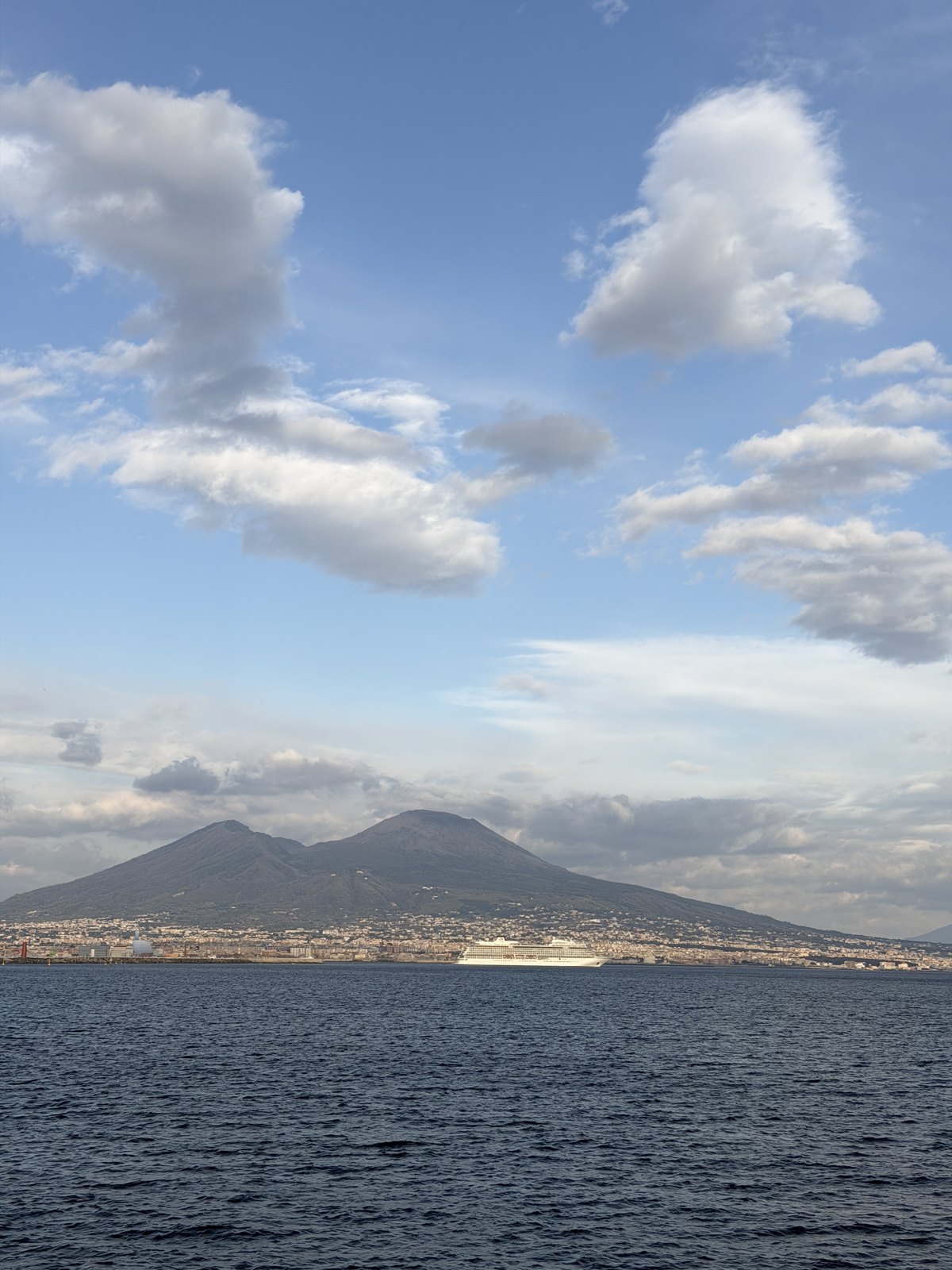
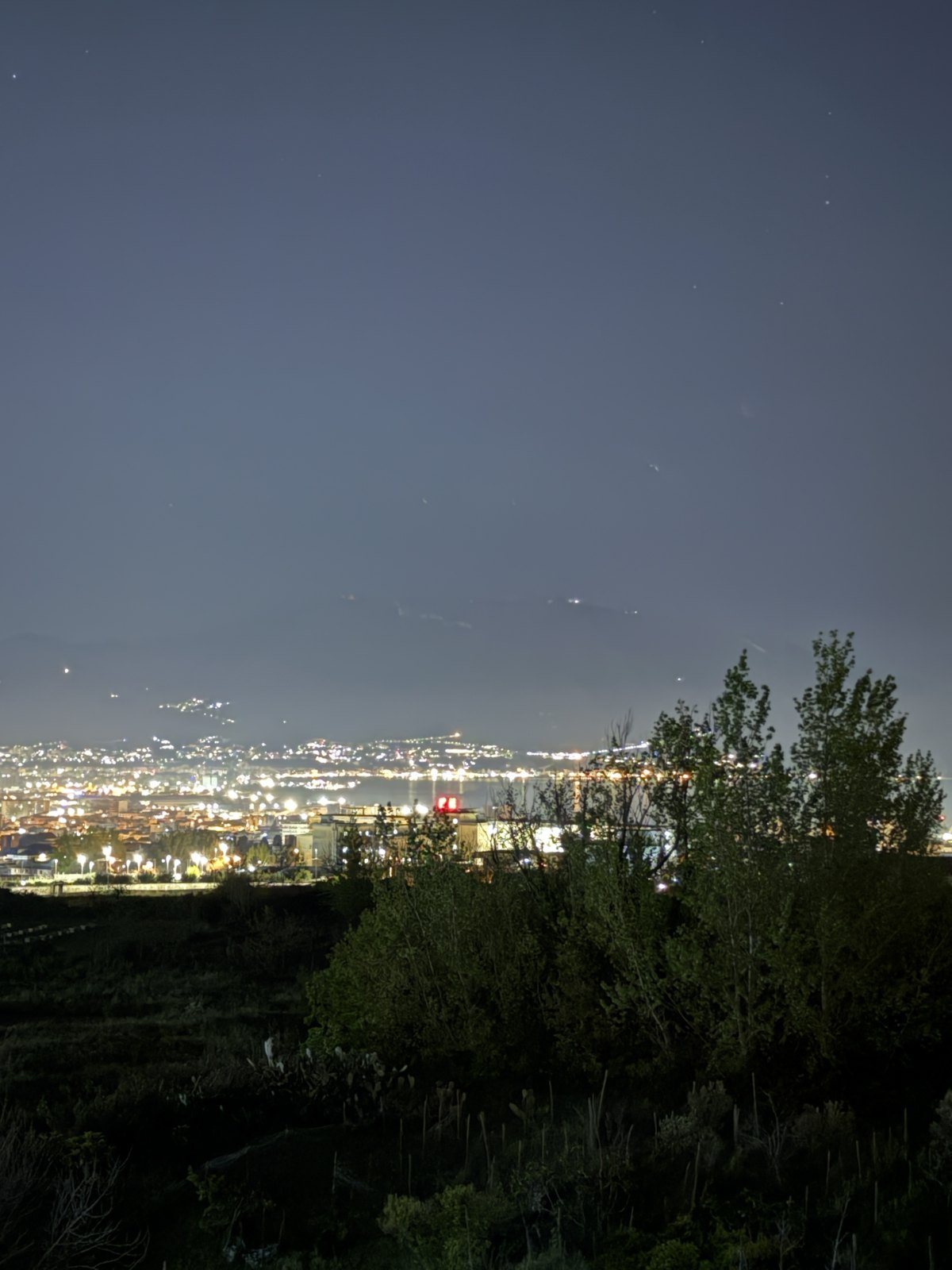
That is the thing about the bay. Wherever you stand, the volcano is in the frame. You get used to it in about a day, which is either reassuring or alarming depending on your temperament.
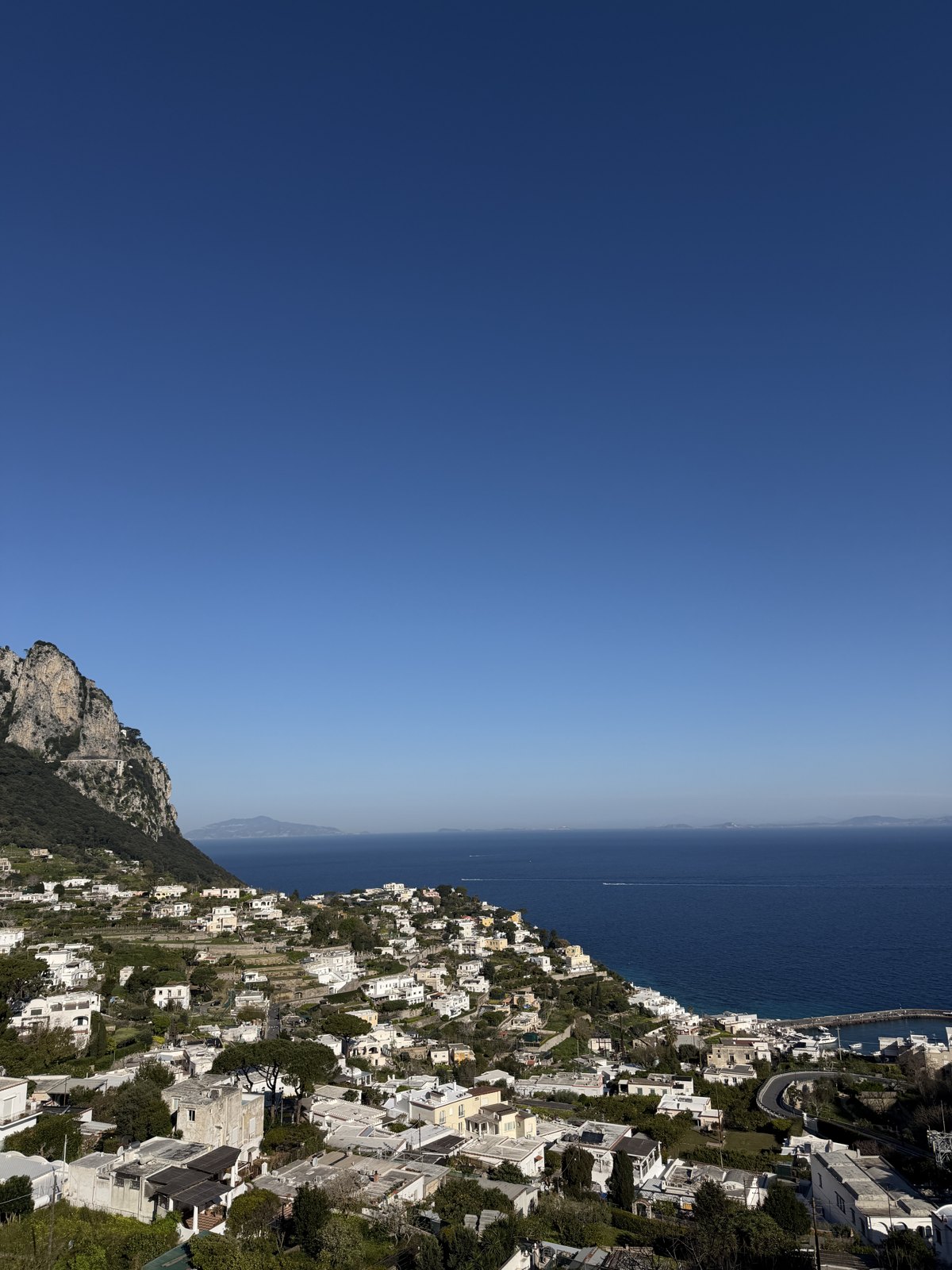
Capri, on a clear April day
We were told to go on the Saturday because the weather was going to hold, and it did — flat blue sea, no haze, and the island still in its pre-season state where you can actually walk around it.
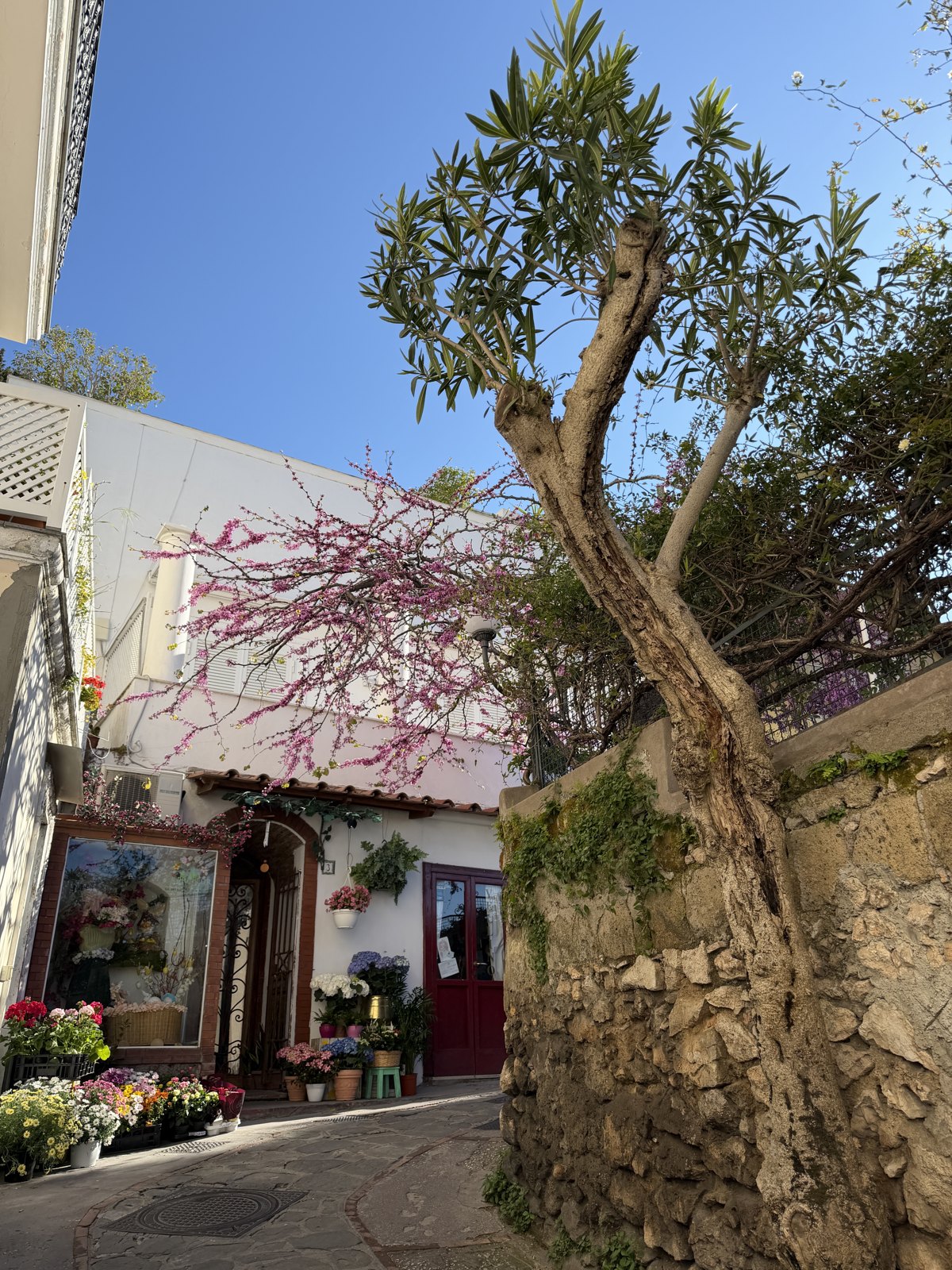
The trick with Capri is to get away from the main square quickly. Ten minutes of walking in any direction and the crowds thin out to nothing, the lanes narrow, and everything is walls, bougainvillea and lemon trees.
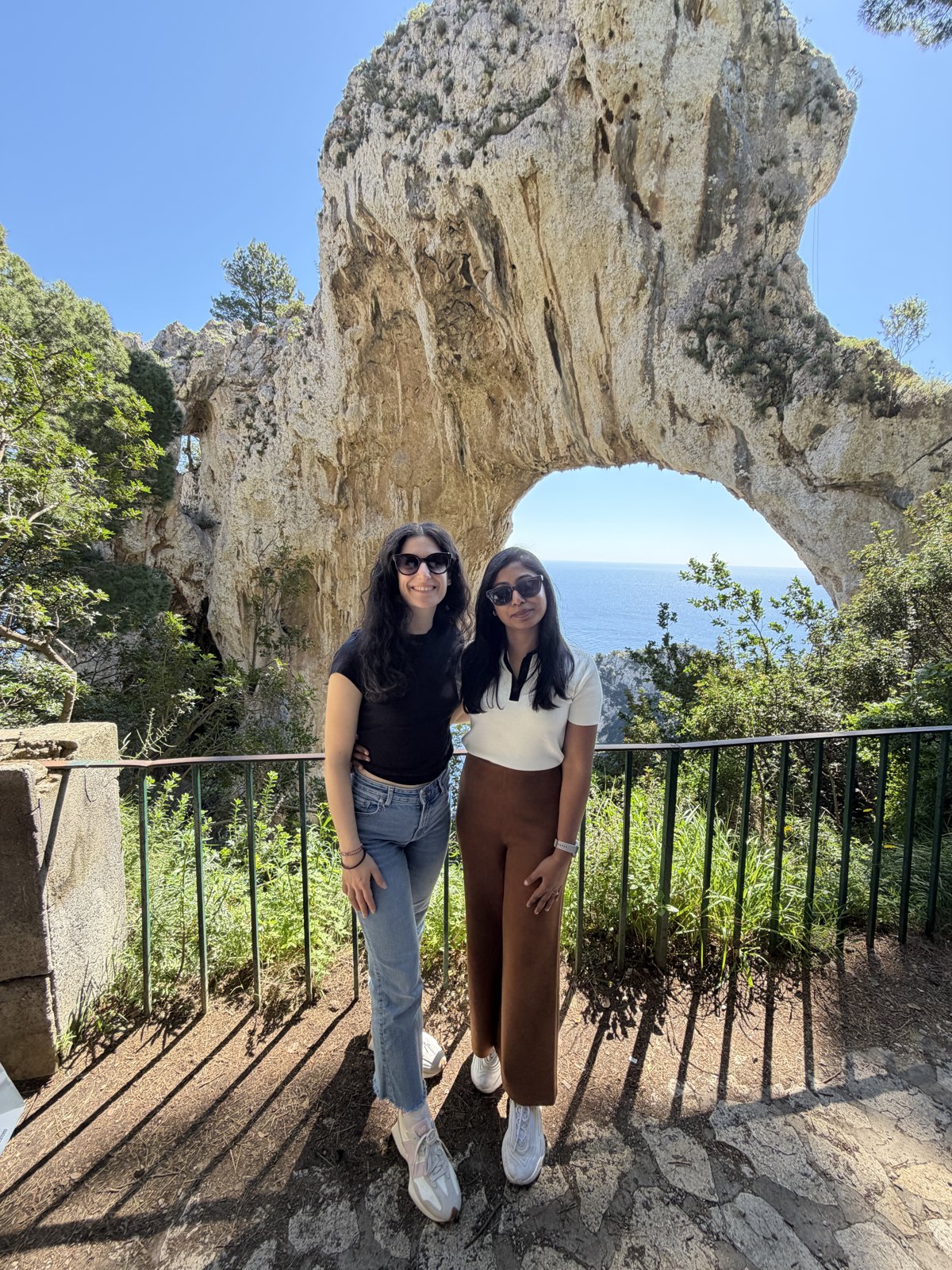
We walked out to the Arco Naturale, the limestone arch on the eastern cliffs, and then along the belvedere paths where the Faraglioni come into view — the three sea stacks that are on every photograph of the island and are, annoyingly, exactly as good as advertised.
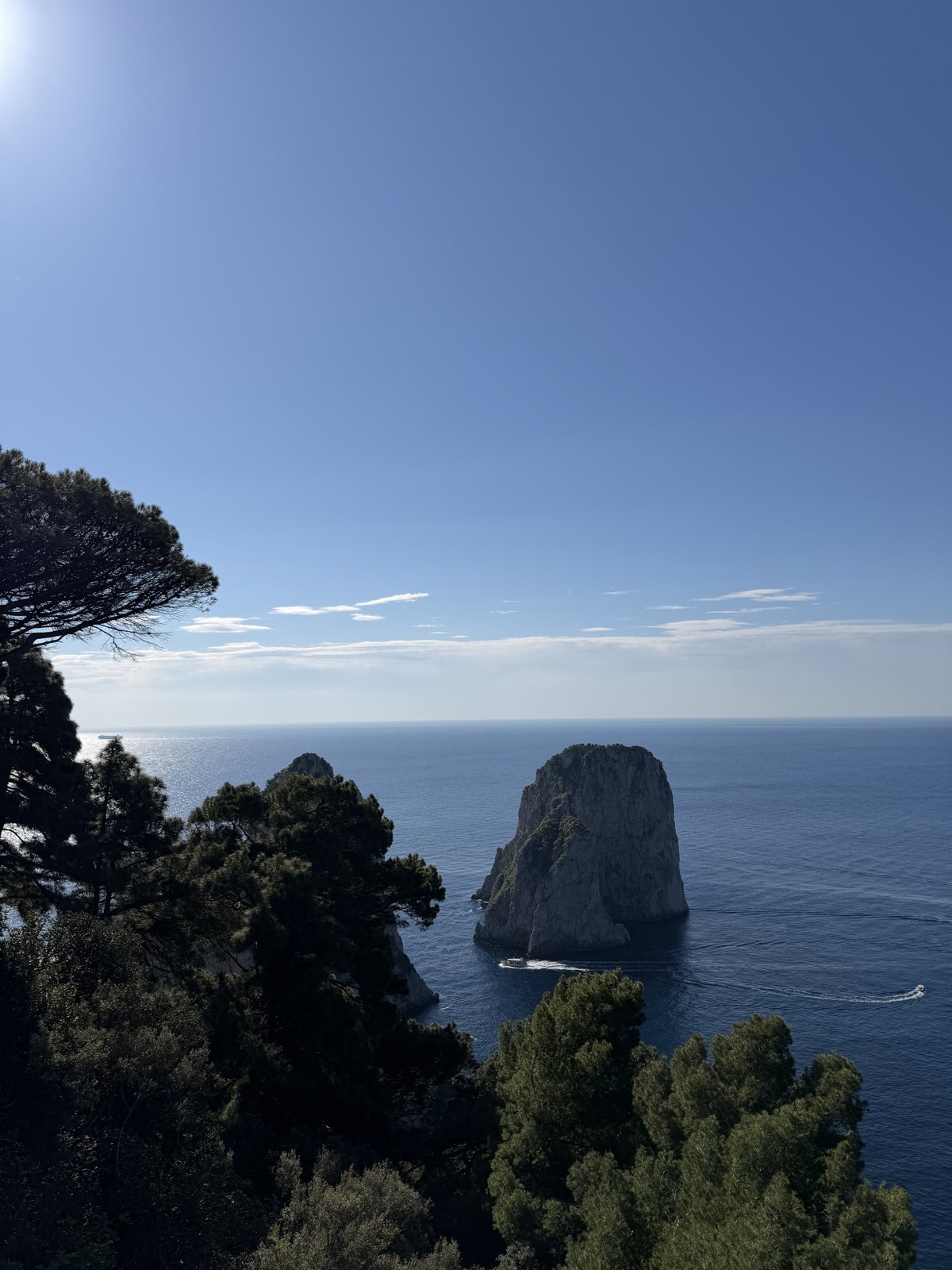
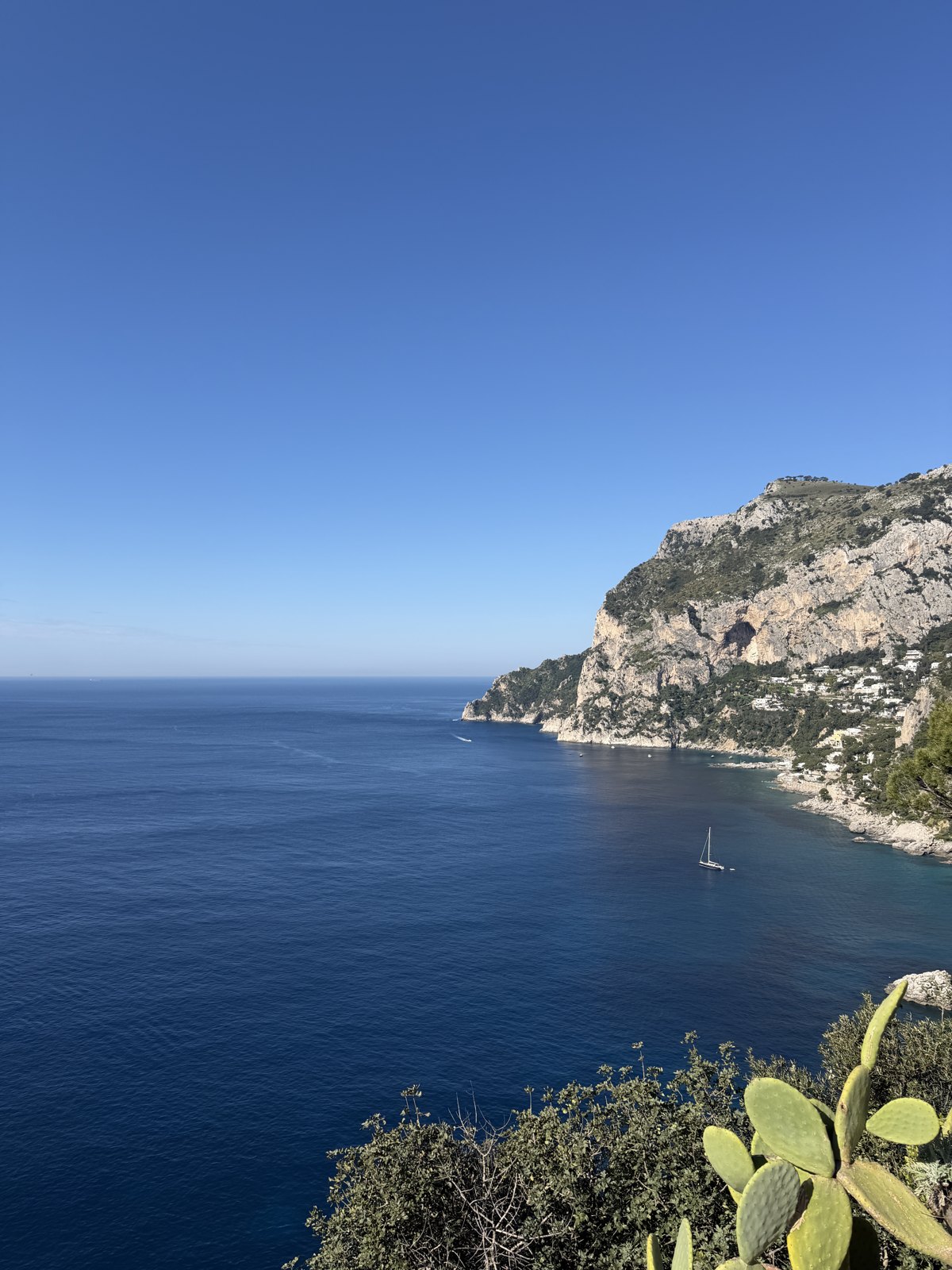
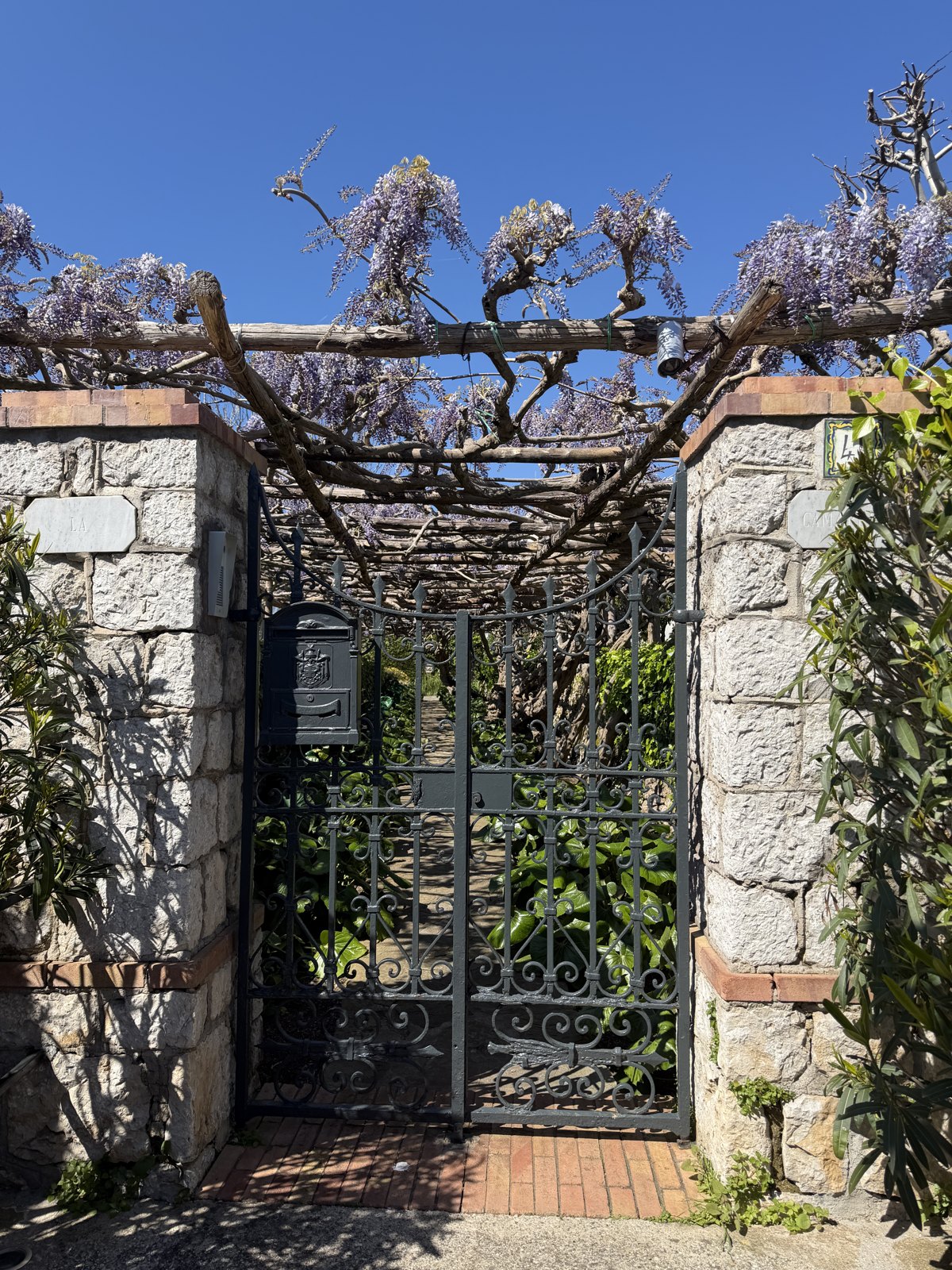
And the shops. Capri is expensive and mostly sells things you do not need, but the ceramic bells are a proper local tradition — the island is covered in them — and one of the shops is a ceiling of hundreds.
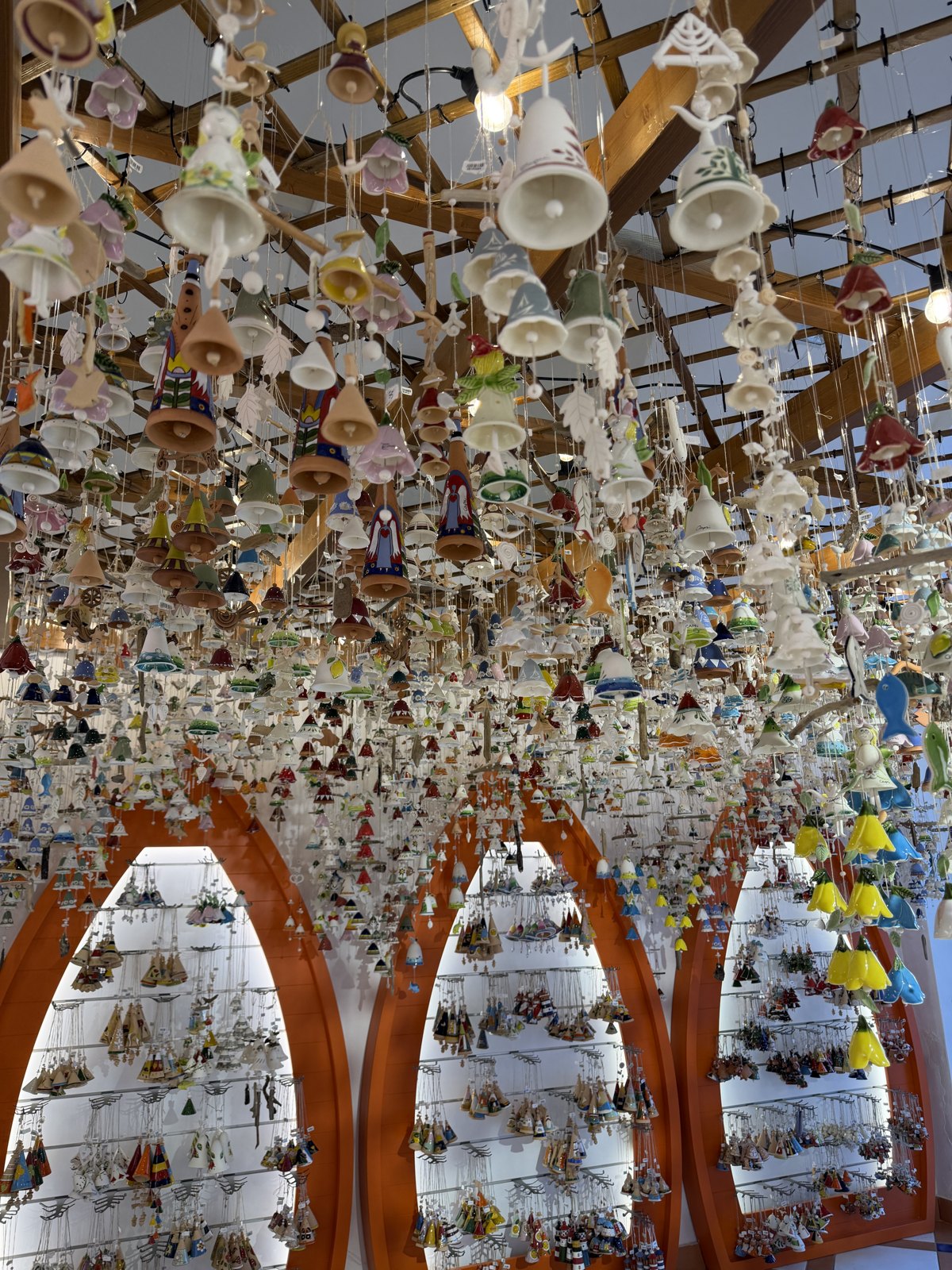
Go in April. Everything is open, the flowers are out, the ferries run, and you can stand at the Arco Naturale without queueing for the photograph. By June this island is a different and much less pleasant place.
Easter Sunday: a long lunch on a volcano
And then the reason we came.
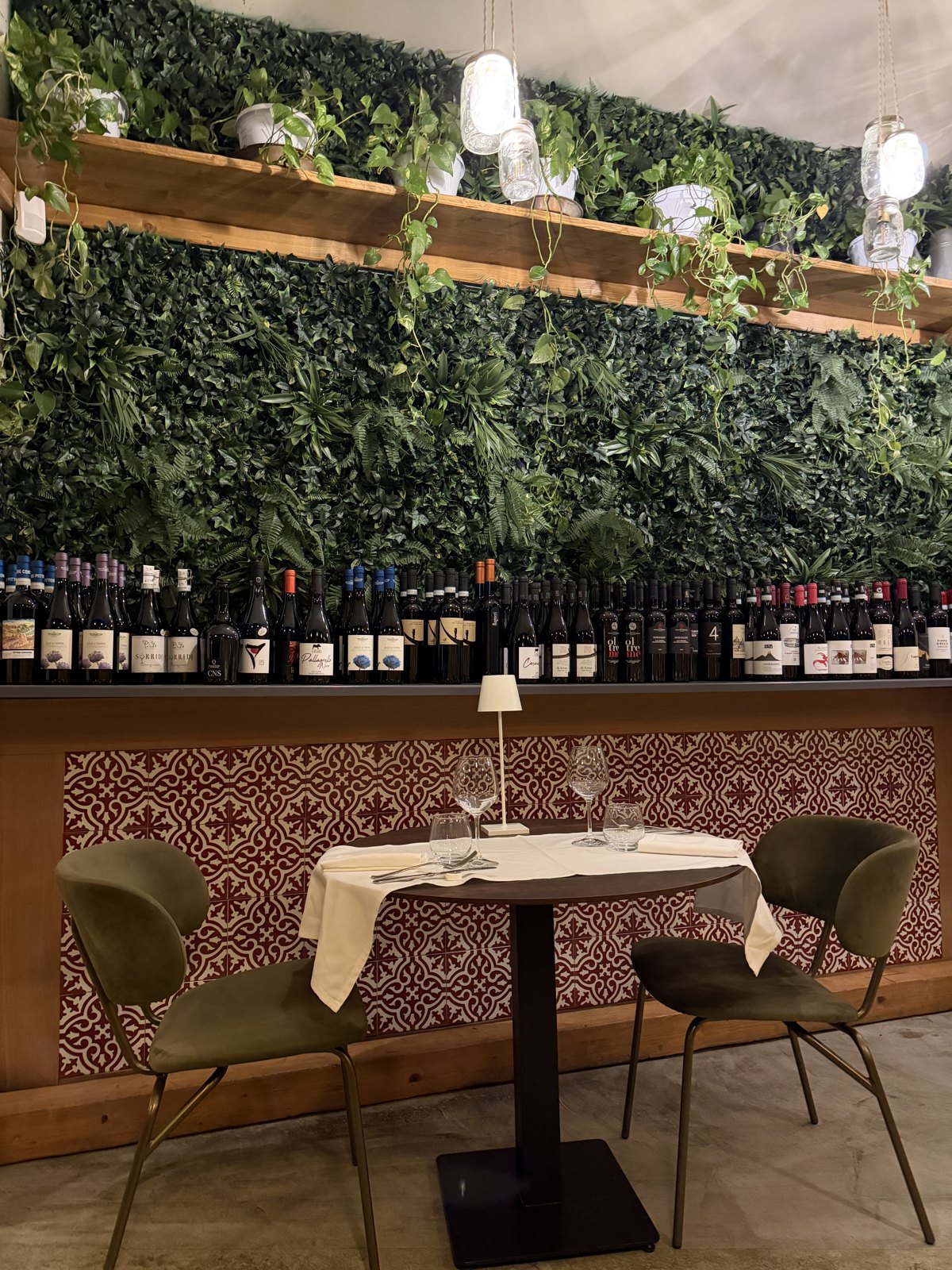
Easter Sunday lunch in Italy is not a meal, it is an afternoon, and this one was at Cantina Sorrentino — a family winery on the slopes of Vesuvius, inside the national park, with the vines growing straight out of black volcanic soil.
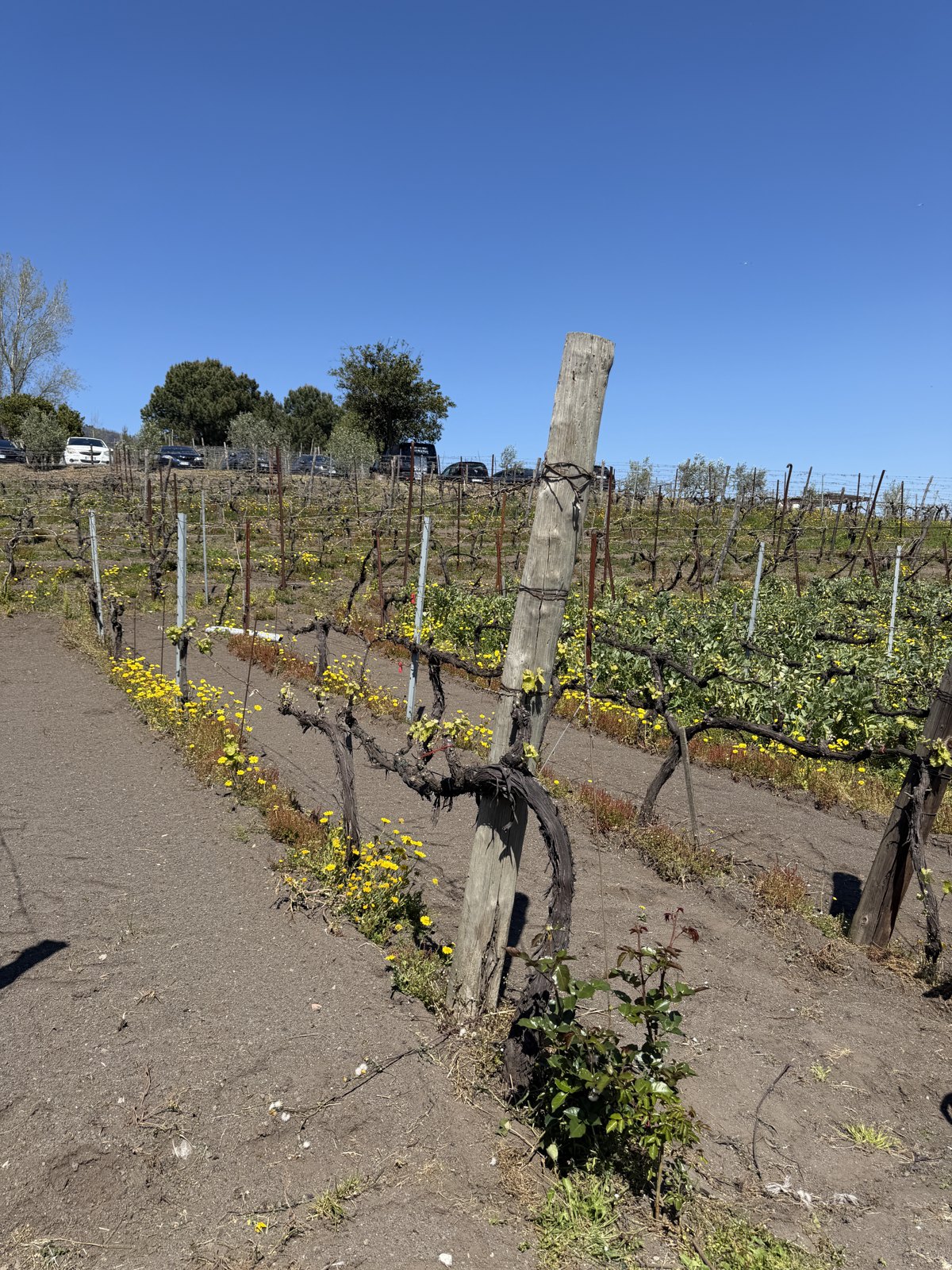
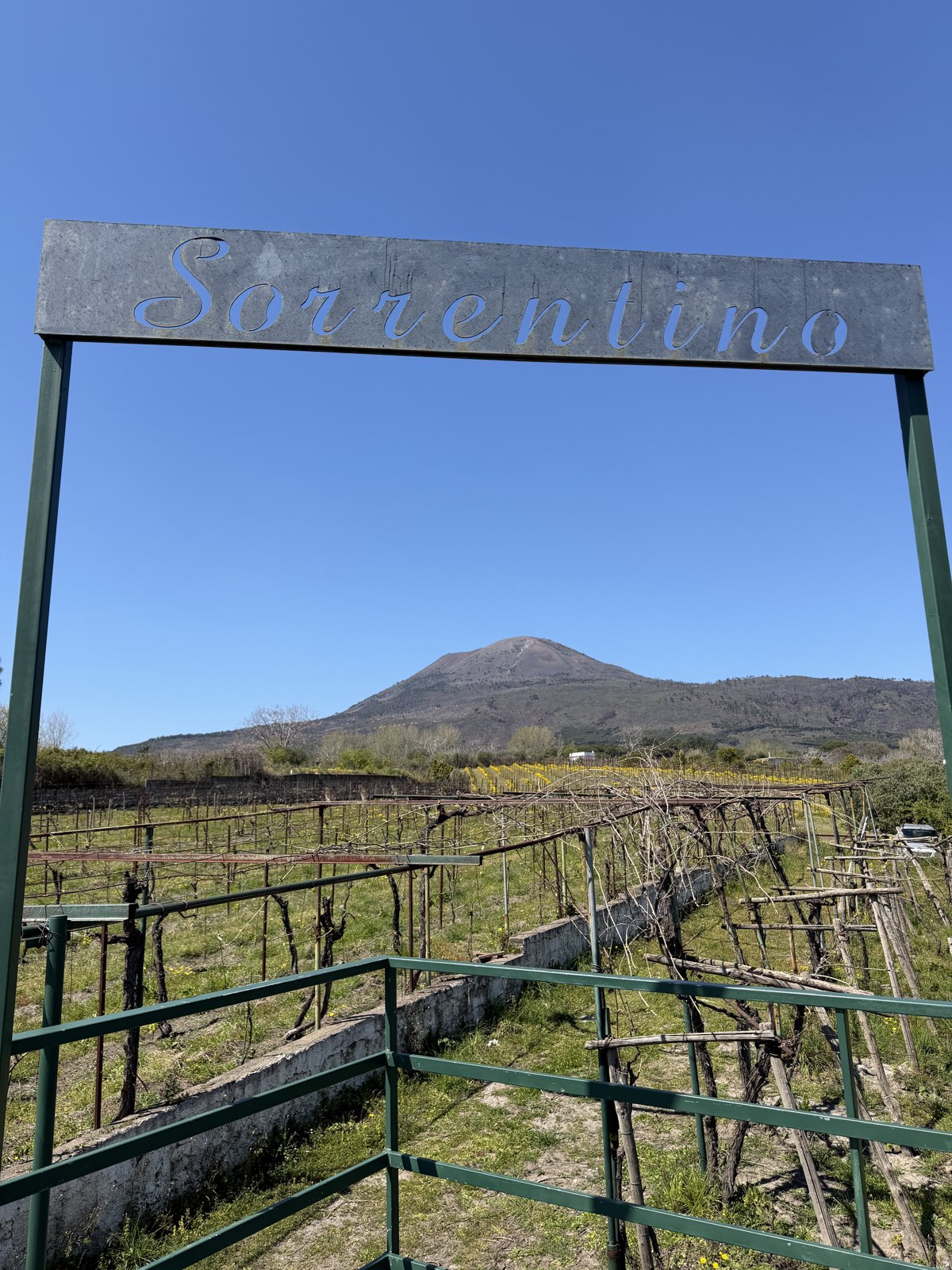
A little bit of geology that turns out to matter for the wine: the phylloxera louse that destroyed almost every vineyard in Europe in the nineteenth century could not survive in Vesuvius’s sandy volcanic ash — so some of these vines are still growing on their own original rootstock, which is rare anywhere in the world.
What they make here is Lacryma Christi del Vesuvio — the tears of Christ — which is the local DOC in white and red, and which tastes like the soil it comes from: mineral, a bit salty, nothing like the supermarket idea of Italian wine.
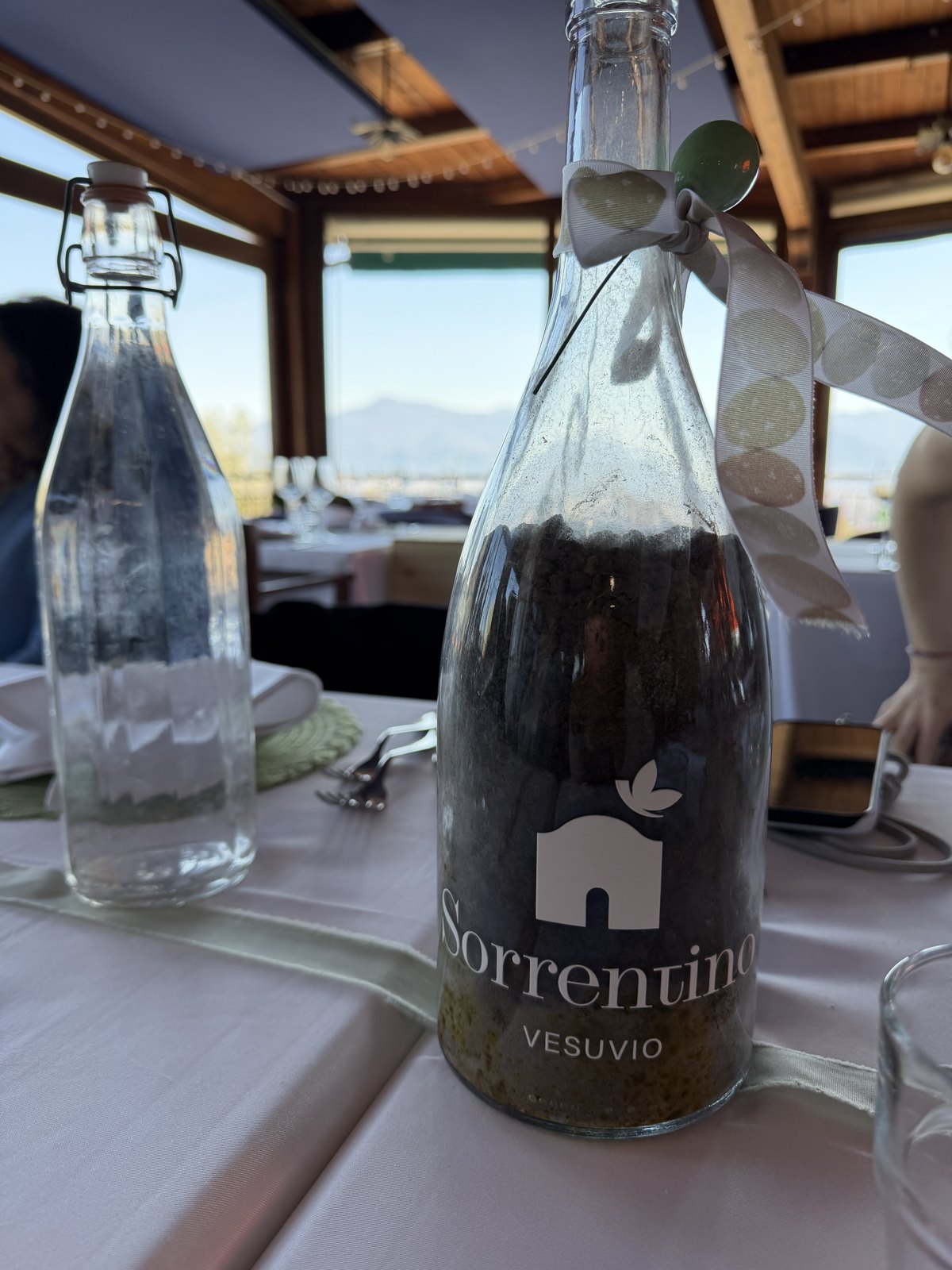
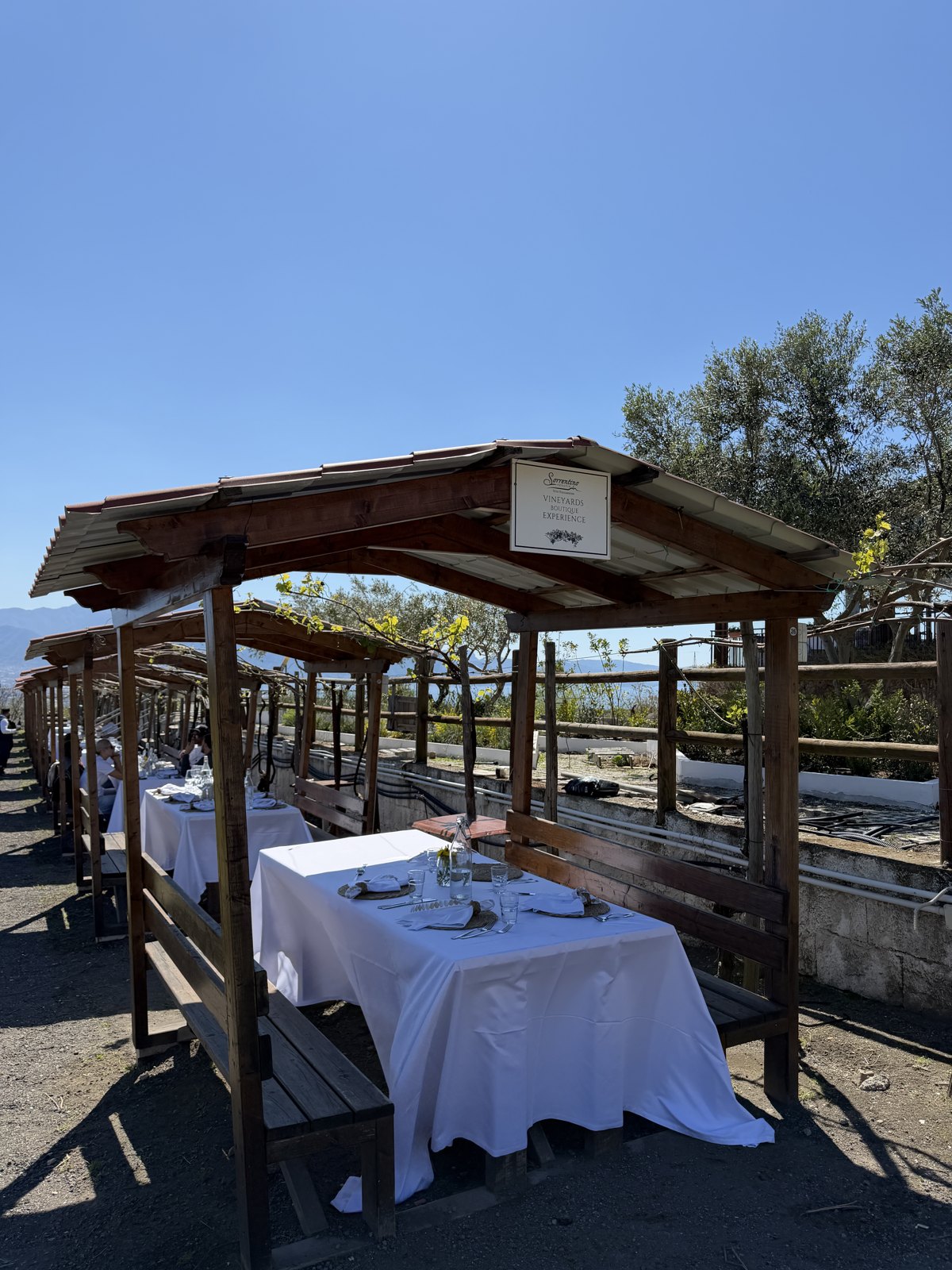
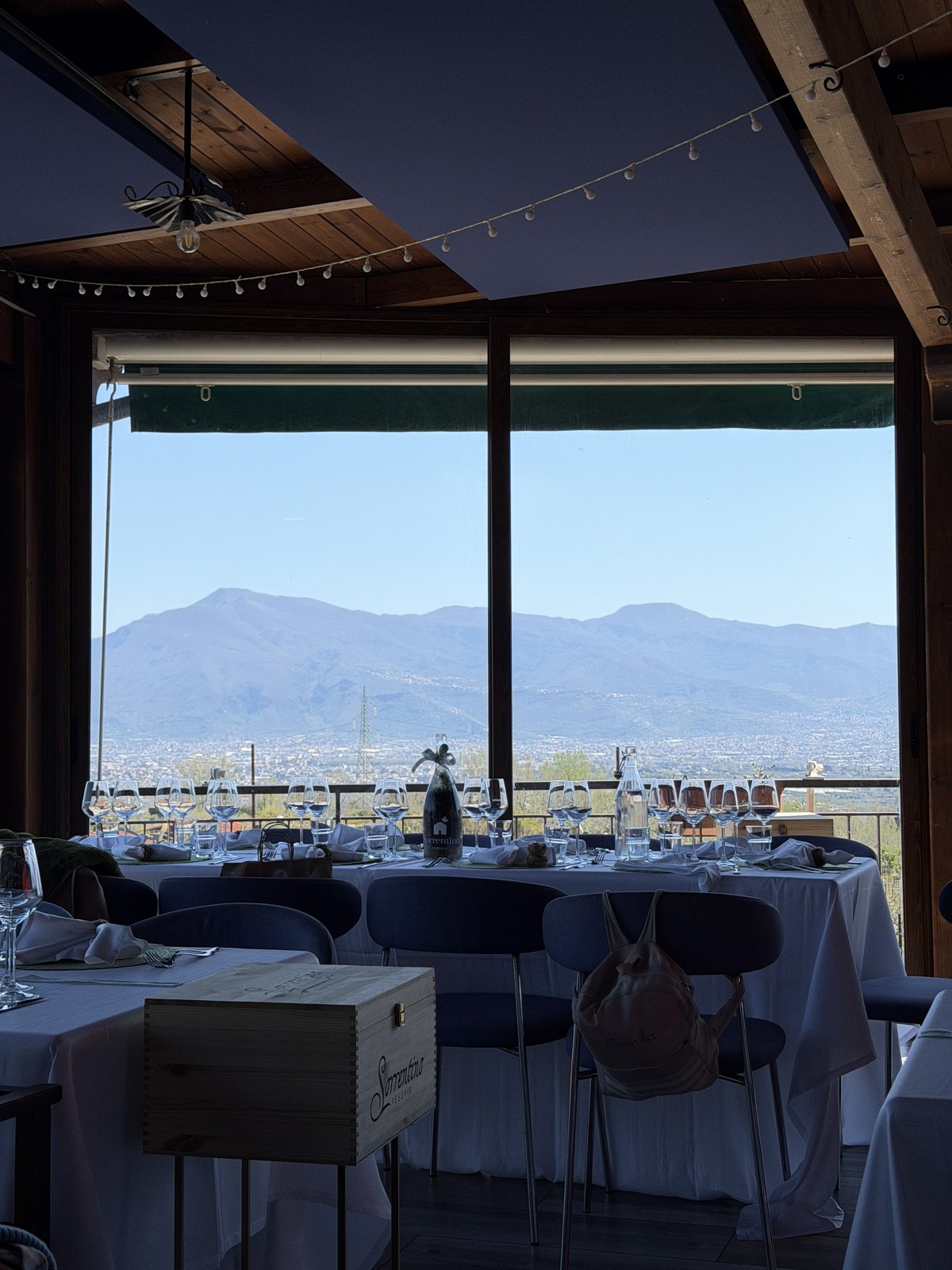
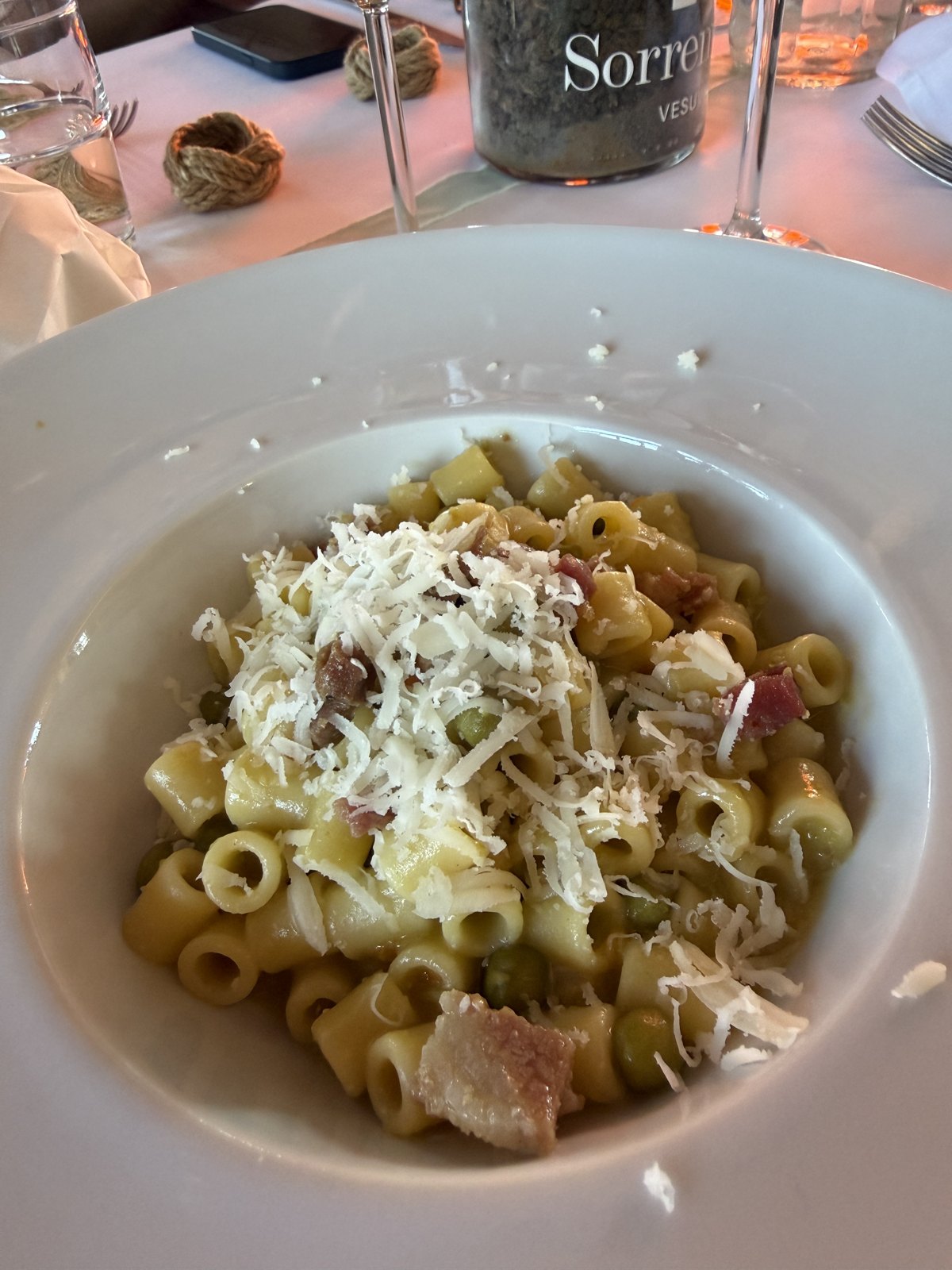
The food was Campanian and endless and we lost track of the courses. The one I would go back for was the simplest — pasta e piselli, pasta with peas and cured pork, which is nursery food that happens to be perfect.
We sat there for about four hours. Nobody suggested doing anything else, and at some point it became obvious that not doing anything else was the plan and had been all along.
Pasquetta at Pompeii
Easter Monday — Pasquetta — is a public holiday in Italy and the traditional thing to do is go out for the day, so half of Campania was doing exactly what we were doing. We went early anyway, because Pompeii is ten minutes down the hill and it seemed absurd not to.
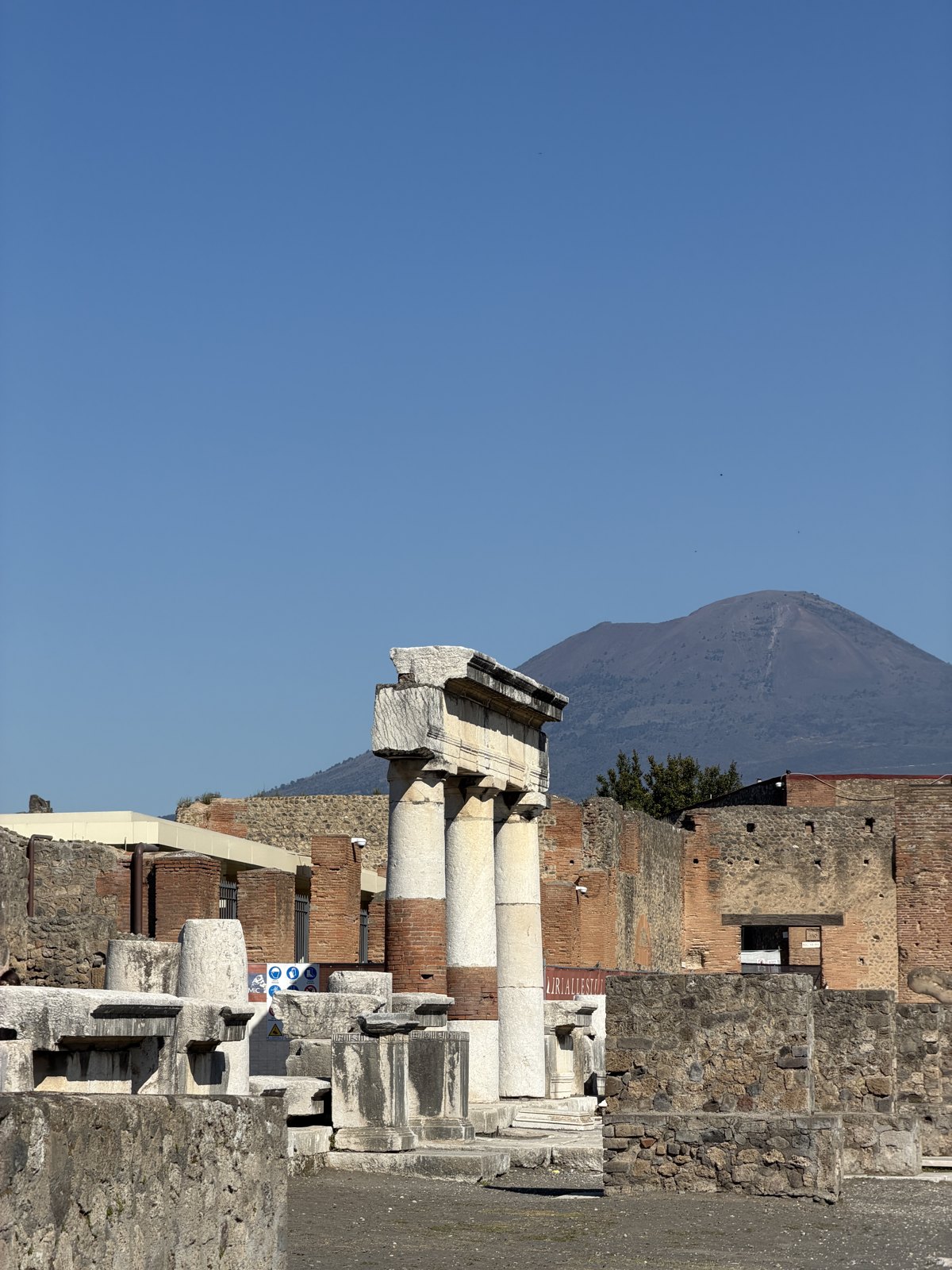
The thing that gets you is not the ruins. It is the scale and the ordinariness. This is not a temple complex, it is a whole town — streets with kerbs and stepping stones, shops with counters, bakeries, bars, graffiti, a laundry — that stopped on a single day in AD 79 and was then sealed under several metres of ash.
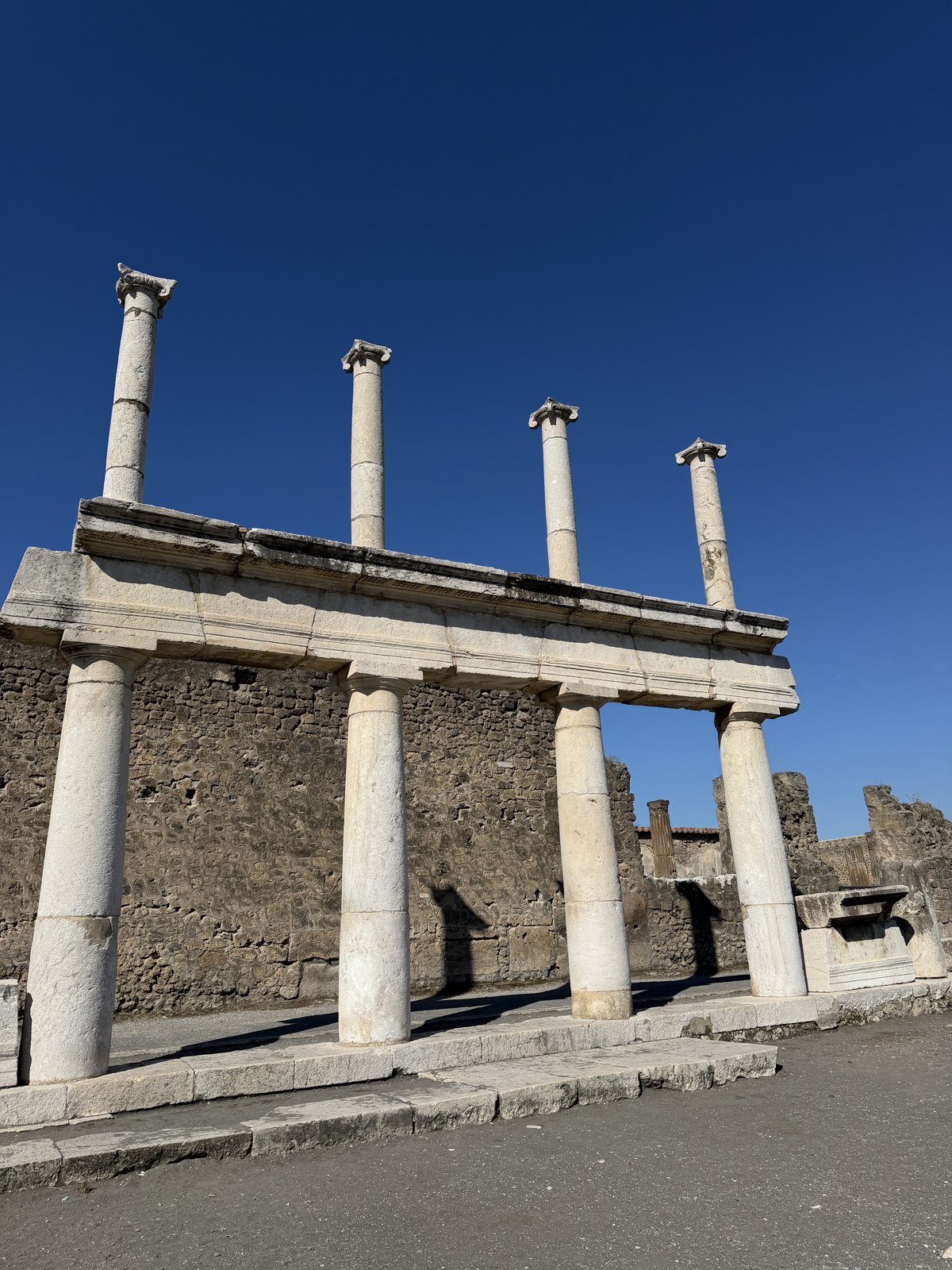
And then you walk into a building and the ceiling is intact.
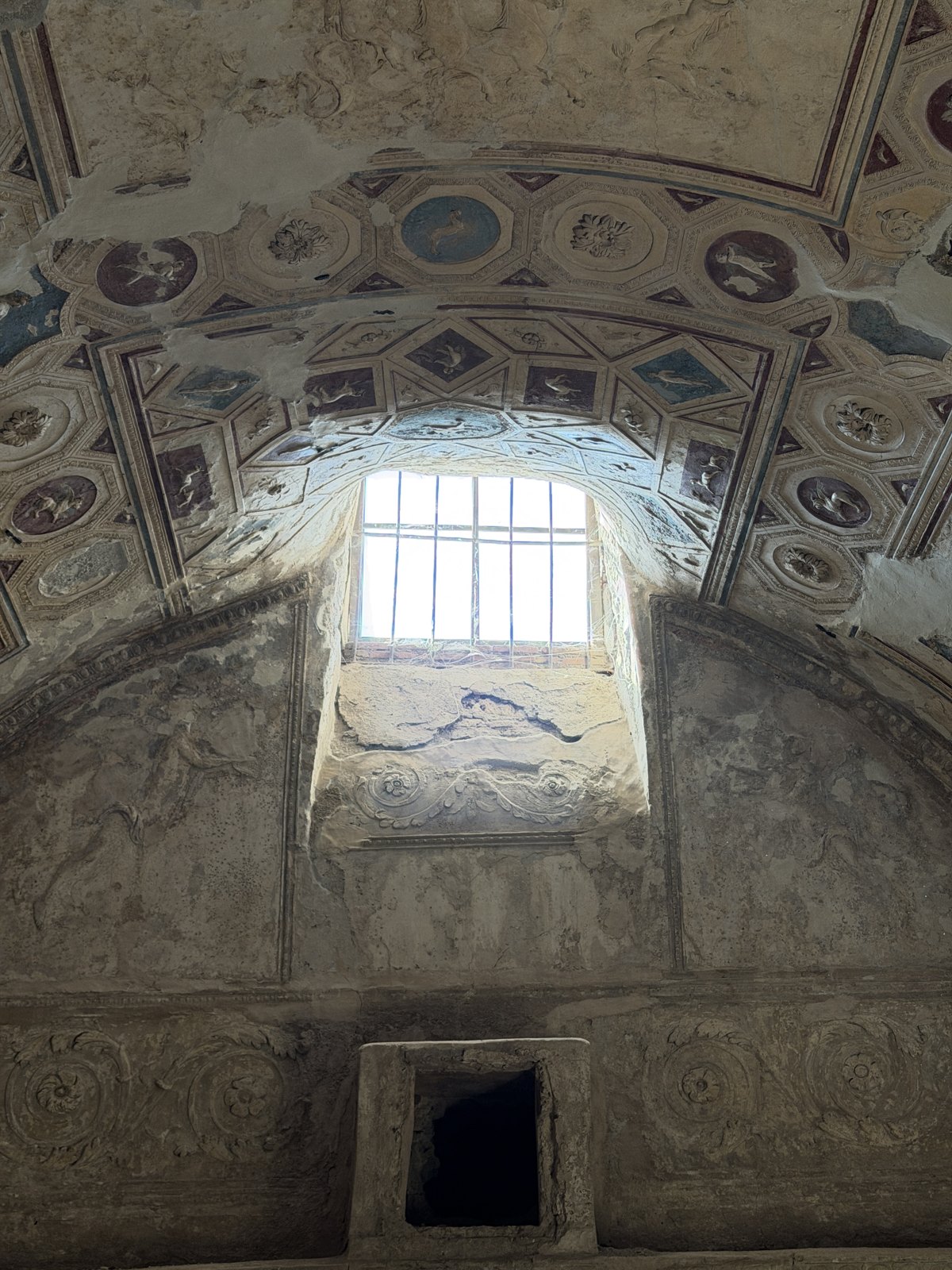
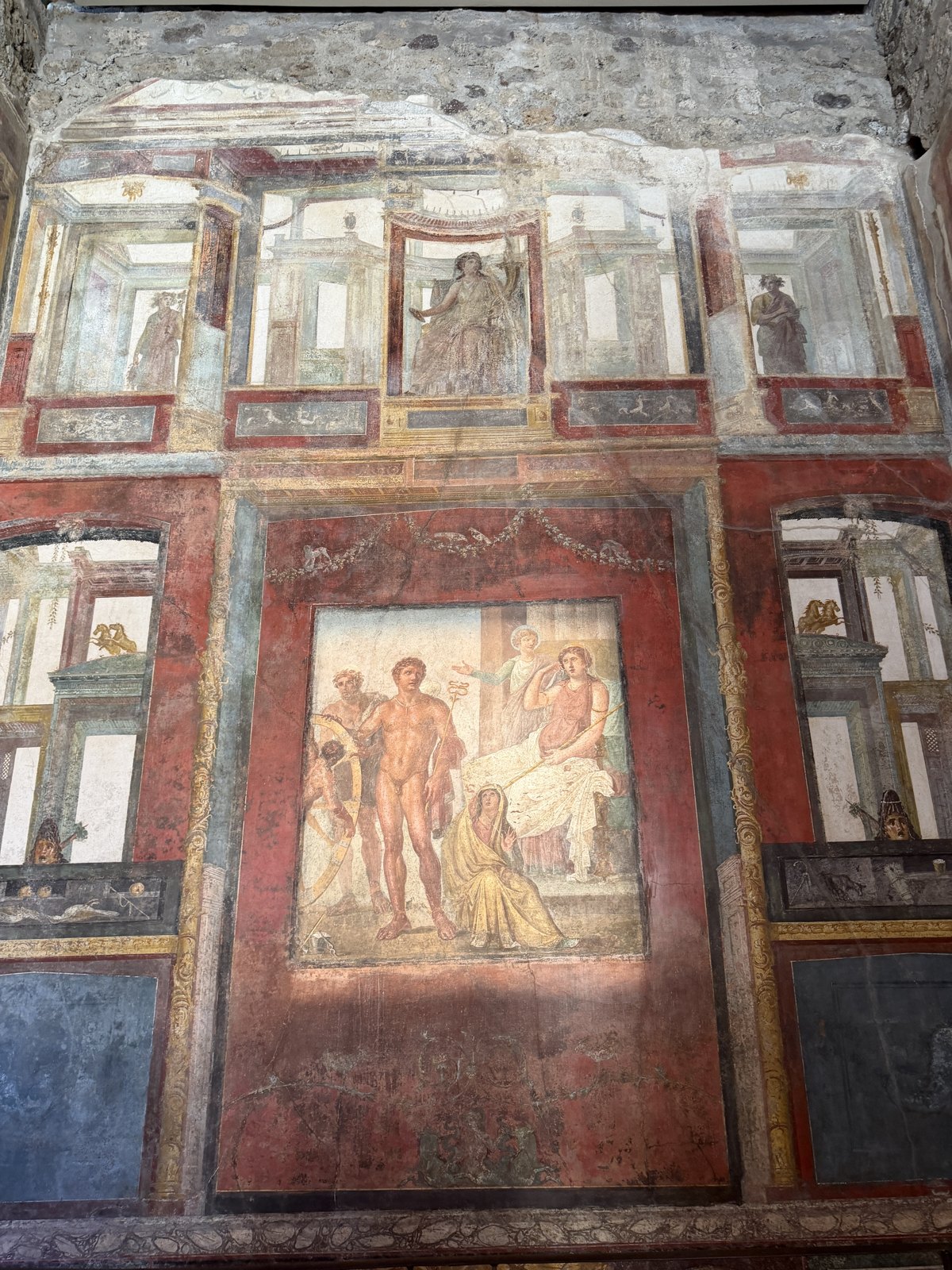
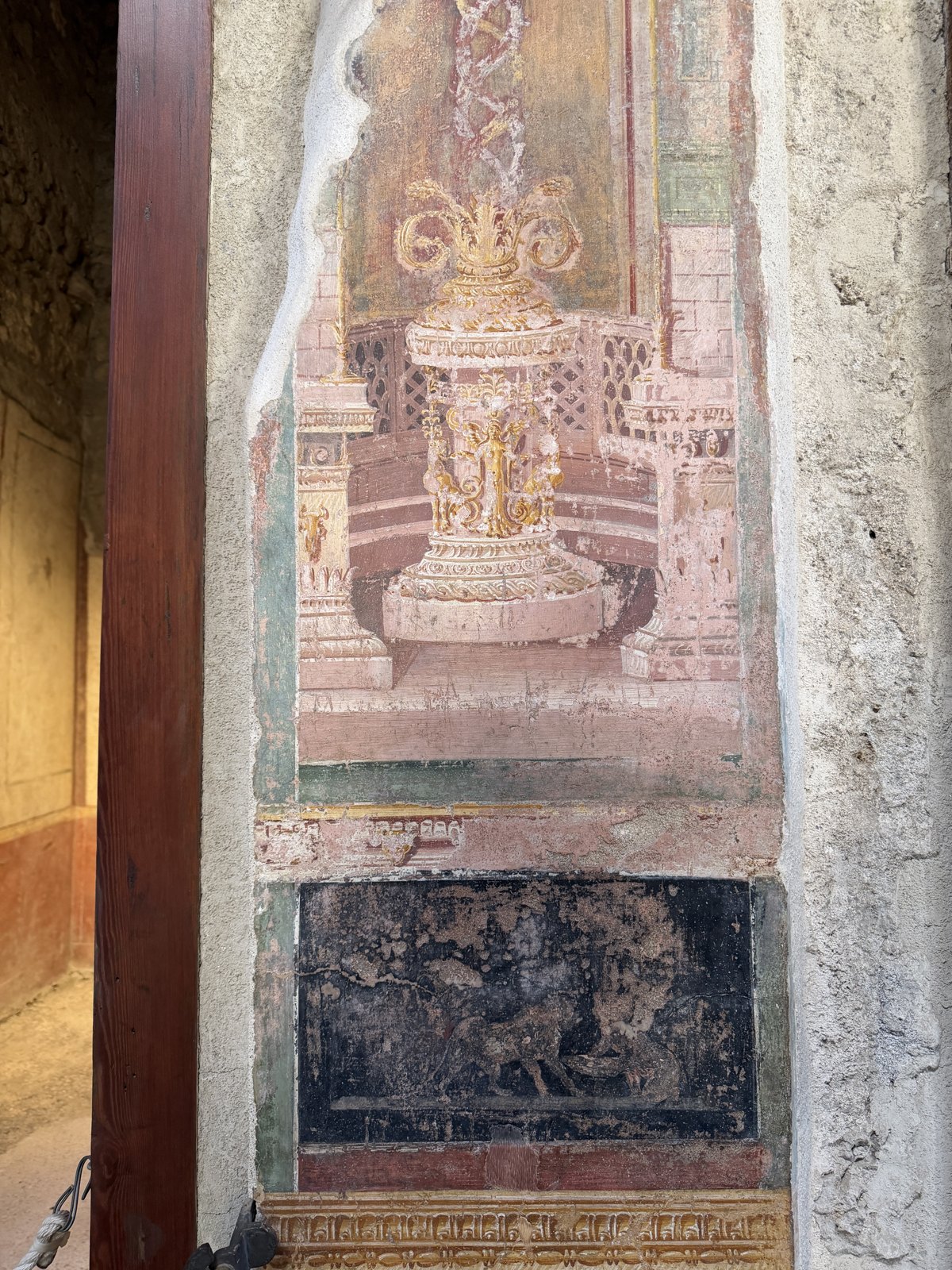
The frescoes are the part we were not ready for. Not fragments behind glass — whole walls, in colour, in the rooms they were painted for, with that Pompeian red still doing what it was mixed to do.
Practical bits: the site is enormous — the largest excavated ancient town anywhere — and you cannot do it justice in two hours. Wear real shoes, the streets are original Roman paving and they are cruel. Take water and a hat; there is almost no shade. Book ahead online, especially on a holiday. And if you have a second day, Herculaneum is smaller, better preserved and far quieter.
What we would do differently
We would give Naples a full two days. We did the centro storico and the seafront in an afternoon and skipped the Archaeological Museum entirely — which is where nearly everything portable from Pompeii actually lives. Doing the museum and the site in the same trip is the right way round.
We would go up the crater. We looked at Vesuvius from every angle for five days and never walked up it, which in hindsight is ridiculous.
We would add Herculaneum. Everyone who has been says the same thing and we did not listen.
We would not change the shape of it. Two big days out, one enormous lunch, and the rest of the time in someone’s kitchen. That is the correct ratio.
Where the money goes
The flights are cheap and short. Munich to Naples is under two hours and low-cost carriers run it constantly; at Easter, book early.
Capri is the expensive day and there is no way around it. The ferry, the funicular, and then everything on the island is priced for people arriving on yachts. It is worth one day. It is not worth three.
Everything else is astonishing value. Coffee standing at a bar costs about a euro. Pizza in Naples costs less than a sandwich in Munich. The winery lunch — several courses, wine, a table for the afternoon, a view of the bay — cost roughly what two people pay for a mediocre dinner at home.
And the thing that made the trip was free, in the sense that you cannot buy it: being at someone’s family table on the one weekend of the year when everybody is at it.
Practical summary
Base yourself outside Naples if you can. The towns on the Vesuvius side put Pompeii, Herculaneum, the ferries and the city all within half an hour, and they are quieter and cheaper than the centre.
The Circumvesuviana is the cheap way around the bay and it works, but it is old, crowded and pickpocketed; keep your bag in front of you and do not take it late at night.
Easter is high season in Campania. Book Capri ferries, Pompeii tickets and any restaurant you actually care about well in advance, and expect Italian families everywhere on Pasquetta — which is part of the fun.
Check what is closed on Easter Sunday and Monday. Museums and churches keep odd hours over the weekend; the archaeological sites generally open, the city shops generally do not.
April is close to ideal. Warm enough for the boats, cool enough to walk Pompeii at midday, wisteria everywhere, and the summer crowds still six weeks away.
Bring wine home. Lacryma Christi is hard to find outside Campania and travels perfectly well in a suitcase with a jumper wrapped round it.
Five days, one volcano, and an Easter table we did not have to organise. If someone offers you their family for a long weekend, go.
 Travelspheric
Leave a comment